
Home › Blog › Farm and countryside days
Farm Experience Vietnam vs Bali: What to Choose in 2026
By the Cáo Experiences team · 2026-11-06
Vietnam's farm experiences—hosted by Cáo Experiences in the Red River Delta, Da Lat highlands, and Mekong Delta—centre on rice paddies, vegetable gardens, and family kitchens where you work alongside farmers for 4–6 hours, plant or harvest, cook lunch from your morning's pick, and stay within reach of towns. Bali farms typically emphasize wellness retreats, coffee plantations, and yoga-integrated stays of 2–14 days with accommodation on-site. Vietnam suits 1–2 day immersions with return to your hotel; Bali suits longer escapes. Vietnam feels more genuinely agricultural and less curated; Bali offers lifestyle integration. Neither is inherently better—Vietnam rewards short-trip travelers wanting authentic farm work; Bali suits those seeking sustained countryside living. Cost, climate, and skill level (kids, seniors, complete beginners welcome in both) will ultimately decide.
How does a Vietnam farm day actually run, hour by hour?
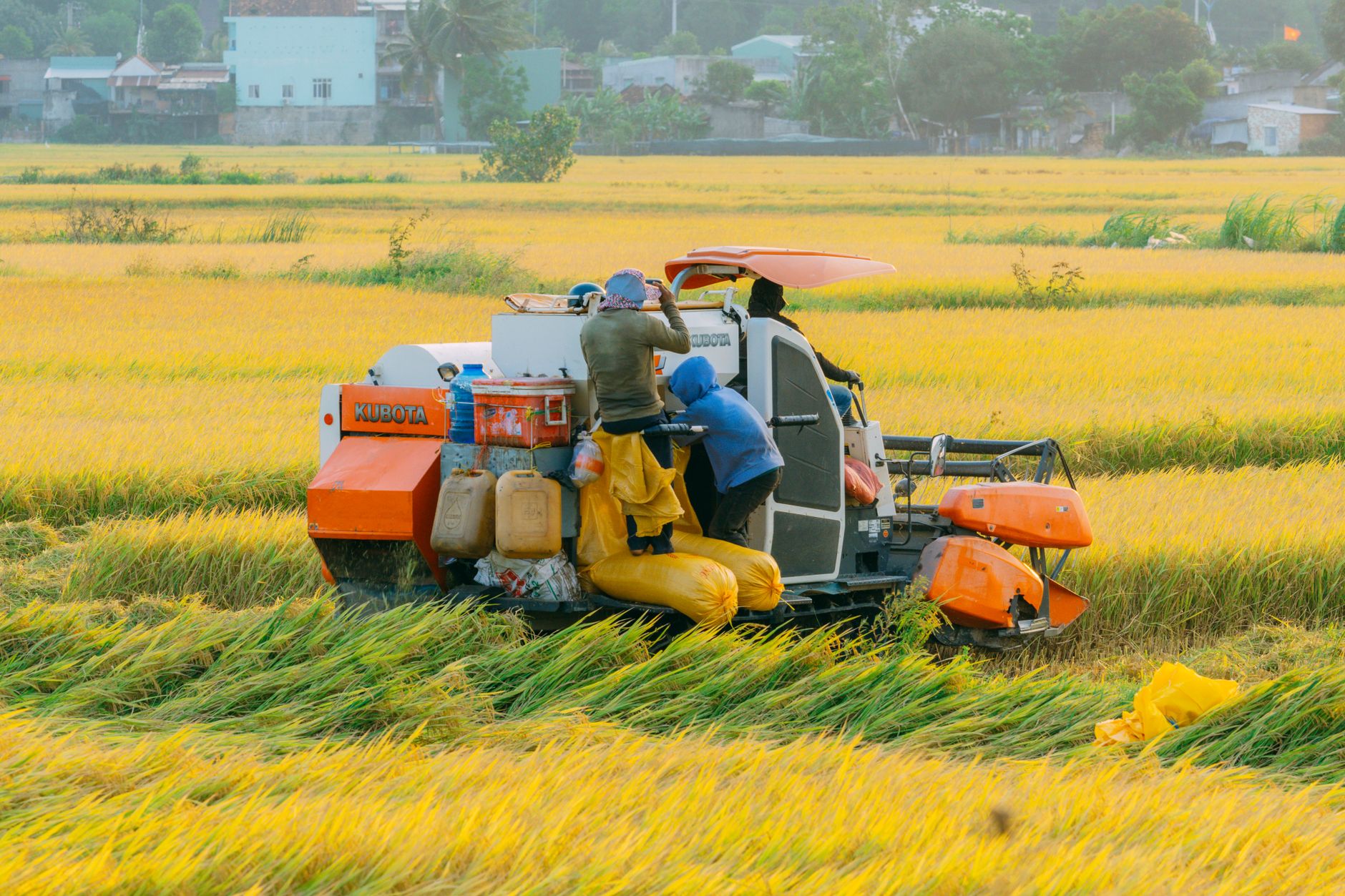
We wake guests at 6 a.m., drive to a working family farm in a rural lane—rice fields or vegetable plots depending on season. By 6:45 a.m., we're in the field with the farmer and their family, mud on our boots, learning to transplant seedlings or hand-harvest morning vegetables. Work lasts two to three hours; guests rarely tire because curiosity and the farmer's patient rhythm override fatigue. We break for water, sit in the shade, and the farmer's spouse usually brings snacks. By 10 a.m., we head to a family kitchen—a modest house with a wood or gas stove, no frills—and cook lunch together: a soup, a stir-fry, salad, fresh juice. We eat with the farm family at their table. By 1 p.m., most guests head back to town, exhilarated and covered in red soil. Some stay for an afternoon tea or visit a local market. A Bali farm day often mirrors this, but the farm may be part of a larger resort campus, includes accommodation, and weaves in massage, yoga, or evening workshops. The difference: Vietnam is transactional and visceral; Bali is immersive and lifestyle-focused.

Which region suits families with young children?
Both work, but Vietnam's shorter format (4–6 hours) suits kids aged 6–14 better; they tire less and don't need overnight camping. We adapt all farm and countryside experiences to child pace: if a kid can't transplant rice, they wade in the water, collect snails, or help mix ingredients in the kitchen. Bali farms with multi-day stays demand patience and stamina; kids under 8 often struggle with homesickness in unfamiliar bedrooms. Verdict: Vietnam for day trips with families; Bali for families committed to a week away and older teens.
What crops and seasons should you expect?
Vietnam's Red River Delta grows rice (May–September harvest), then leafy greens and vegetables year-round; Da Lat's cool highlands yield strawberries, artichokes, and flowers. Mekong Delta farms cultivate coconut, mango, and water-based crops. Bali's volcanic soil produces coffee, cacao, rice, and tropical fruit year-round. If you visit Vietnam in March–April, expect planting season—muddy, hands-on, no harvest drama. July–August means harvest, more rewarding photos. Bali's consistent warm climate means any month works equally. Conclusion: Vietnam's seasonal variation makes timing matter; Bali is weather-stable but less seasonal drama.
Do language barriers make one region harder than the other?
Most Vietnam farm hosts speak basic English or partner with a guide. Bali farm resorts cater to international tourists and staff English-speaking managers. In Vietnam, the farmer may speak only Vietnamese, but we translate on the fly and the work itself is wordless—you mimic, smile, and laugh at your own clumsiness. Many guests say the language gap creates deeper connection because you rely on gestures and rhythm, not small talk. Bali's English proficiency removes that friction but can feel less authentic. For non-English speakers: Vietnam requires a bit more patience; Bali feels safer. Conclusion: language ease favors Bali; cultural immersion favors Vietnam.

Which is genuinely better value for time and money?
This depends on what you're comparing. A day on a Vietnam farm costs less per hour than a Bali retreat because we don't include accommodation, meals beyond lunch, or amenities—you return to your hotel. A Bali farm stay includes bed, breakfast, dinner, activities, and often yoga or massage; the daily cost appears higher but covers 16+ hours. If you have 1–2 days free, Vietnam wins on value: low cost, high impact, no travel fatigue from packing. If you have a week, Bali's all-inclusive model means less logistical stress. Honest comparison: Vietnam is budget immersion; Bali is comfort immersion. Most travelers in 2026 report preferring Vietnam if they have limited time because the intensity and novelty yield more memorable photos and stories per hour.
| Factor | Vietnam (Cáo Experiences) | Bali Farm Retreat | Verdict |
|---|---|---|---|
| Duration | 4–6 hours, day trip | 2–14 days with bed | Depends on schedule |
| Cost per day | Lower; no accommodation | Higher; all-inclusive | Vietnam if rushing; Bali if staying |
| Authenticity | Working family farm, no tourists visible | Curated agro-tourism site | Vietnam feels "real"; Bali feels designed |
| Skill barrier | None; complete beginners | Fitness/flexibility assumed | Both beginner-friendly |
| Weather risk | Monsoon affects schedule | Stable; minor rain | Bali more predictable |
| What you eat | Farm lunch with family | Resort meals + farm meals | Both good; Bali more variety |
| Pace | Farmer's rhythm; no rush | Structured schedule | Vietnam slower; Bali scheduled |
| Best for | Short trips, families, couples | Wellness seekers, week escapes | Different goals; not rivals |
Why does Vietnam's rice-paddy experience feel so different from Bali's?
Vietnam's Red River Delta and Mekong farms are multigenerational family operations where farming is livelihood, not tourism. You're genuinely helping during a busy season, and the farmer watches your hands, corrects your grip, and trusts you with real work. Bali's farms, while beautiful and sincere, are often secondary income; the primary business is tourism. A Bali farmer-host manages guests, timings, and safety protocols that a subsistence farmer doesn't. Vietnam's discomfort—mud, uncertainty, no wi-fi during work—is the point; it's what makes you feel alive. Bali's comfort—fresh juice, a bungalow, a schedule—makes you feel cared for. Neither is dishonest. Conclusion: choose Vietnam for challenge and authenticity; Bali for ease and immersion.
What to check before you book
- Dates and season: If you want harvest, ask about planting vs. harvest windows months ahead. Vietnam's monsoons (May–September in Red River) can waterlog fields; check weather when you pick dates.
- Fitness level: Vietnam farm work is not strenuous but requires balance in mud and repetitive hand motion. Seniors do fine; let us know mobility limits when you ask. Bali retreats often include yoga; confirm if that matters.
- Allergies and diet: We cook lunch on the farm in Vietnam using your preferences (vegetarian, nut-free, etc.); tell us when you inquire. Bali resorts can usually accommodate; ask directly.
- Group size: Vietnam day trips suit 2–8 people; larger groups split across farms. Bali stays suit any size with notice.
- Expectations: Don't expect to learn organic certification or commercial farming. Expect to work alongside a family, eat what you grow, and leave with mud-stained clothes and a story.
If you're torn between Vietnam and Bali, consider this: how much time do you have? One day or a weekend—Vietnam with Cáo Experiences. A week or longer—Bali. Both will change how you see food and land. Vietnam will humble and delight you in short bursts; Bali will settle into your bones over days. Both are real. Both are worth it.
Want to explore other hands-on experiences in Vietnam? We also host Vietnamese cooking classes where you shop at local markets then cook in a home kitchen, coffee workshops at working roastery spaces, and street food and market tours where you taste and learn while eating. Each builds on the farm experience—you'll recognize the crops, understand the seasonality, and taste how countryside work flows into city tables.
If you're planning a farm day in Vietnam, reach out and tell us which region calls to you: Red River Delta near Hanoi for rice, Da Lat for cool-climate crops, or Mekong for water-based farming. We'll match you with a family, a farmer, and a date that works.
FAQ
Can I do both a Vietnam farm day and a Bali retreat on one trip?
Yes, if you have 10+ days and don't mind the long flights. Fly to Vietnam first (farm day 1–2, recover 2–3 days in a city), then fly to Bali (retreat 4–10). Most travelers find it exhausting. Better: choose one, return to the other in 12 months.
Is the Vietnam farm experience safe for someone who has never done farm work?
Yes. We work alongside you the whole time. Farms are low-risk—no machinery, no animals other than the family dog or chickens. You'll be muddy and tired, not injured. Wear sturdy shoes and clothes you don't mind ruining.
What's the actual climate difference between regions in Vietnam?
Red River Delta near Hanoi: hot and humid April–September, cool and dry November–March. Da Lat: cool (15–20°C) year-round due to altitude; wear a light jacket. Mekong Delta: hot and humid always, some flooding during monsoon (September–November). Bali is consistently warm (28–32°C) with a dry season (April–October) and wetter months (November–March).
Do I need to book a full group or can I join a scheduled public session?
Both. We run group and corporate sessions and private days for couples and small families. Ask us for upcoming open dates where you can join other travelers, or arrange a private farm day for your group. Small groups (4–6 people) are more intimate; larger groups (8+) feel more social.
Will I actually eat lunch with the farm family?
Yes, always in Vietnam. You cook together, then sit at their table, eat their rice and your lunch, share food, and usually sit in silence or watch kids play. It's the core of the experience—not a performative meal for tourists, but actual family lunch. They're curious about you; you'll feel their generosity. Bali farm retreats serve meals in a dining pavilion, sometimes with the farmer nearby; less intimate, more polished.
If it rains, do we still go to the farm?
In Vietnam, yes—if it's drizzle or light rain, we work. Rain is part of farming. If there's a storm or flood alert, we reschedule. Bali farm stays usually proceed in rain; it's monsoon season, and guests expect it. Always ask what the cancellation and reschedule policy is when you book.
Ask about dates
Tell us the city, your dates and what you would like to try. We reply on WhatsApp in English with options and availability.
FAQ
Can I do both a Vietnam farm day and a Bali retreat on one trip?
Yes, if you have 10+ days and don't mind the long flights. Fly to Vietnam first (farm day 1–2, recover 2–3 days in a city), then fly to Bali (retreat 4–10). Most travelers find it exhausting. Better: choose one, return to the other in 12 months.
Is the Vietnam farm experience safe for someone who has never done farm work?
Yes. We work alongside you the whole time. Farms are low-risk—no machinery, no animals other than the family dog or chickens. You'll be muddy and tired, not injured. Wear sturdy shoes and clothes you don't mind ruining.
What's the actual climate difference between regions in Vietnam?
Red River Delta near Hanoi: hot and humid April–September, cool and dry November–March. Da Lat: cool (15–20°C) year-round due to altitude; wear a light jacket. Mekong Delta: hot and humid always, some flooding during monsoon (September–November). Bali is consistently warm (28–32°C) with a dry season (April–October) and wetter months (November–March).
Do I need to book a full group or can I join a scheduled public session?
Both. We run [group and corporate](/group-and-corporate) sessions and private days for couples and small families. Ask us for upcoming open dates where you can join other travelers, or arrange a private farm day for your group. Small groups (4–6 people) are more intimate; larger groups (8+) feel more social.
Will I actually eat lunch with the farm family?
Yes, always in Vietnam. You cook together, then sit at their table, eat their rice and your lunch, share food, and usually sit in silence or watch kids play. It's the core of the experience—not a performative meal for tourists, but actual family lunch. They're curious about you; you'll feel their generosity. Bali farm retreats serve meals in a dining pavilion, sometimes with the farmer nearby; less intimate, more polished.
If it rains, do we still go to the farm?
In Vietnam, yes—if it's drizzle or light rain, we work. Rain is part of farming. If there's a storm or flood alert, we reschedule. Bali farm stays usually proceed in rain; it's monsoon season, and guests expect it. Always ask what the cancellation and reschedule policy is when you book.
More like this
Farm and countryside days
Fishing Experience Vietnam for Japanese Travelers: Where to Go & What to Expect
Vietnam's waterways offer Japanese travelers a chance to learn traditional fishing methods directly from locals. Cáo Experiences runs half- and full-day sessions on rivers, lakes and the Mekong Delta where you cast nets, set traps, and cook your catch.
Farm and countryside days
Fishing Experience Vietnam for Foreigners: Hands-On Guide
Fishing in Vietnam isn't a spectator sport—you'll wade into rivers, cast nets, trap fish in baskets, and cook your catch for lunch. We run small-group and private fishing days in the countryside outside Hanoi, Ha Noi region, and the Mekong Delta.
Farm and countryside days
Fishing Experience in Vietnam: 8 Questions to Ask Before You Go
Fishing in Vietnam means wading through rice paddies, learning trap techniques, or casting in rivers with local guides. Here's what to ask before you book.