
Home › Blog › Farm and countryside days
Fishing Experience in Vietnam for Solo Travelers
By the Cáo Experiences team · 2026-11-06
A fishing experience in Vietnam for solo travelers typically means joining a small-group morning or afternoon session on a river, canal, or coastal area near Hanoi, Ho Chi Minh City, Hoi An, or Da Nang. You'll fish alongside local guides who teach casting, net technique, and reading water, usually for 4–6 hours including a meal cooked from your catch or local sources. Most sessions suit complete beginners; you don't need fitness or prior skill. Cáo Experiences coordinates everything via WhatsApp—transport from your accommodation, tackle rental, insurance—and works around rain (we reschedule, not cancel). Solo travelers often appreciate the social element: you'll meet other guests or fish one-on-one, and the shared meal afterward builds genuine connection. Ask us for dates and a quote on WhatsApp to confirm availability in your target month and location. Ask about dates on WhatsApp
Can you fish in Vietnam as a complete beginner?
Yes—we teach everything from grip to cast to how to set a hook. Most solo guests have never fished before. The guide reads your pace, adjusts instruction, and ensures you land something within the first 1–2 hours, building confidence fast. Even if the fish aren't biting (rare, but happens), the landscape, boat ride, and technique practice make the morning valuable. We've never turned away a beginner or heard regret afterward.

Where exactly do solo travelers fish in Vietnam?
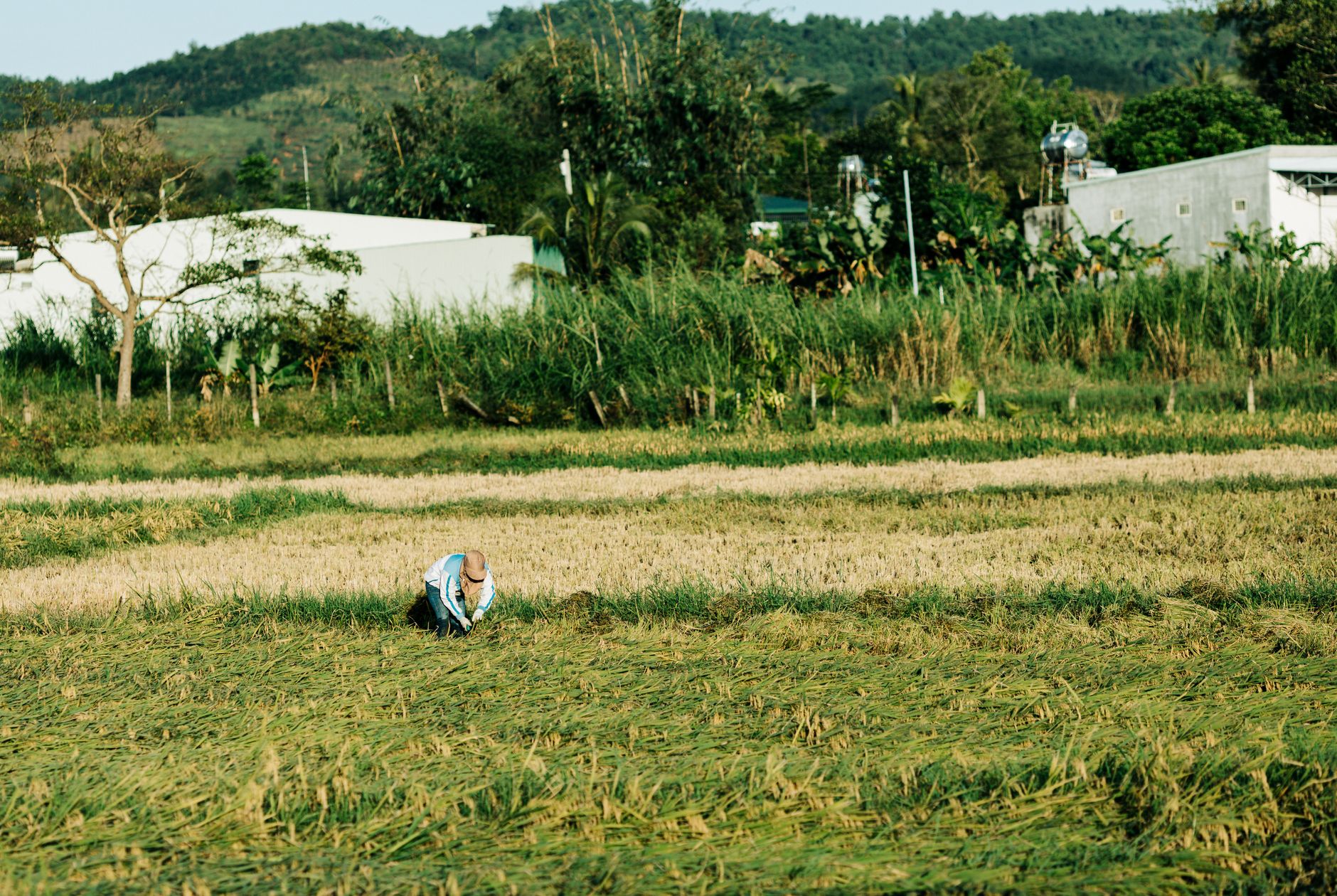
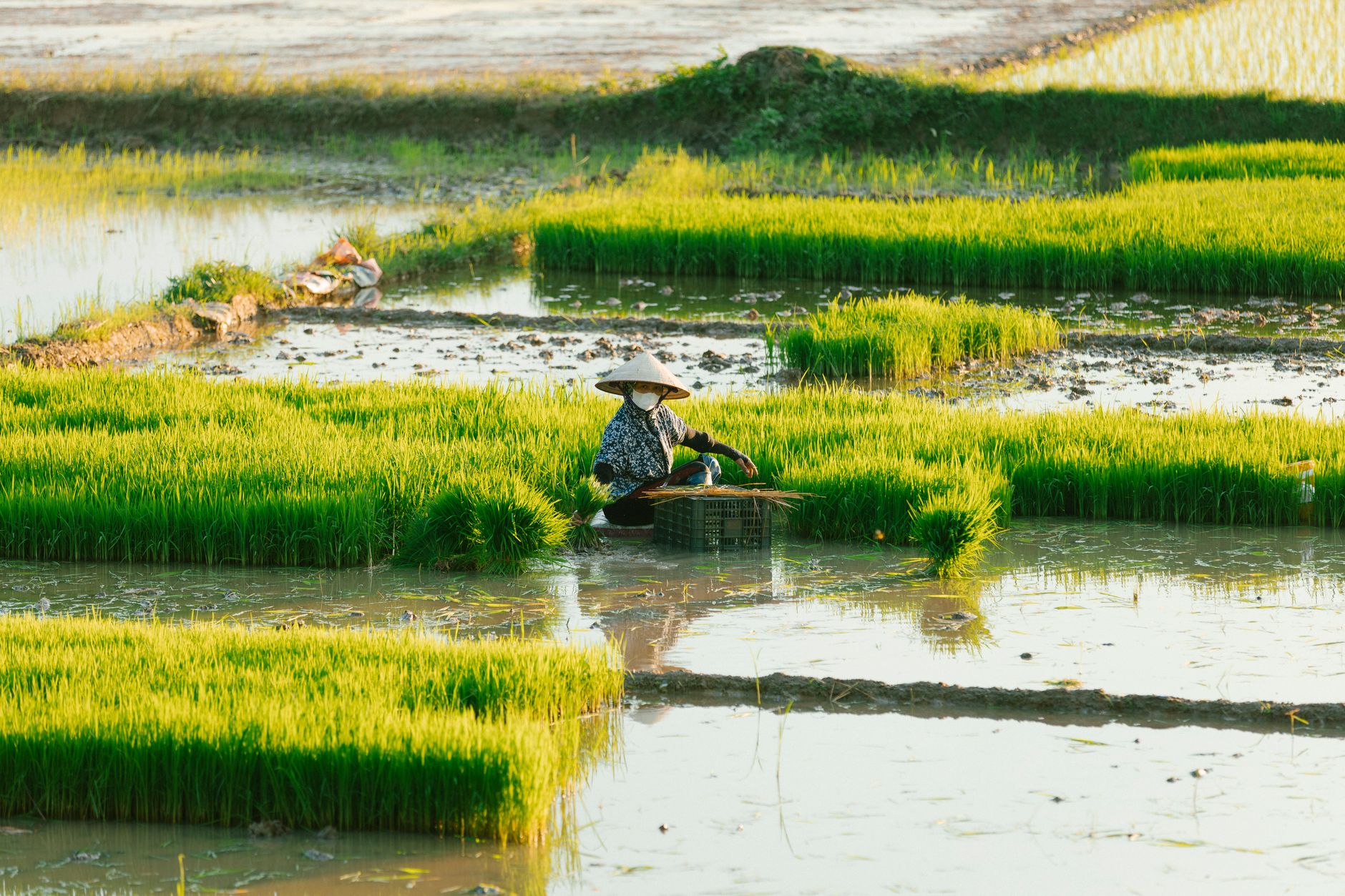
We run sessions near Hanoi on rivers that wind through villages and rice paddies—you see daily life unfold while casting. Around Ho Chi Minh City and the Mekong Delta, we fish canals and broader waterways where the ecosystem is more diverse. Coastal options near Hoi An and Da Nang let you target species like snappers and groupers from small boats or the shore, depending on season and tide. Each location has different rhythms: Hanoi's river fishing is calm and meditative; delta work is faster-paced and social. We match you to the right spot based on your energy and how many days you have.
What's the difference between group and private fishing sessions?
| Setup | Group | Private |
|---|---|---|
| Solo traveler mix | 4–8 guests, you may know none | You + 1–2 friends or solo with guide focus |
| Instruction style | Guide rotates attention; peer learning | All guidance tailored to your pace |
| Meal vibe | Shared cook-out; conversation-heavy | Quiet or chat on your terms |
| Cost basis | More affordable (ask WhatsApp) | Higher, full guide attention |
| Best for | Wanting community | Wanting solitude or specific technique |
Group sessions are our bread and butter for solo travelers—you arrive unattached, leave with names and photos. Private sessions suit people who've fished before or want deep instruction in one technique (fly-casting, net throwing). Both eat what you catch when possible; if the day's quiet, the guide brings backup protein and you learn prep and flavor together.
How do we adapt fishing for rain, wind, and other conditions?
Light rain doesn't stop us—it often improves fishing because insects hatch and fish feed more actively. Guides wear rain gear and have waterproof bags for phones and tackle. Heavy rain (tropical downpour lasting >1 hour) means we reschedule with no penalty—we pick a new date within your visa window. Wind rarely closes sessions unless gusts prevent you from holding a rod safely; in that case, we shift to a sheltered canal or teach net technique in shallower water instead. Guides track forecasts; they'll message you 24 hours before if conditions warrant a change.
What do you wear and bring on a fishing day?
Wear light, quick-dry clothes (nylon shorts, thin long-sleeves to block sun), water shoes or flip-flops that strap on, a hat, and sunscreen. Bring a small backpack with sunglasses, insect repellent, and a refillable water bottle (we keep ice in coolers). The guide provides rod, reel, tackle, and any specialized gear (waders if needed). Don't bring valuables; leave your phone in a waterproof pouch if you want photos. Most trips end by midday so you have afternoon free—some solo guests shower and nap, others walk the local market or book an afternoon craft class or tea experience in the same area.
What happens after you catch fish—do you eat it?
Yes, almost always. The guide or a crew member cleans your catch right there (you can watch and learn), then we head to a simple kitchen—sometimes a family home, sometimes a small open-air pavilion near the water—and cook it. You might grill it whole with salt and lime, make a light soup, or pan-fry with garlic and herbs. Solo guests often help with prep or just watch and chat; no cooking skill required. The meal is part of the experience, not an extra cost—it's how fishing connects to survival and culture here. If the catch is small or the day's slow, the guide prepares local proteins and you still cook and eat together.
Why fishing over other countryside experiences?
Fishing is meditative but active—you're problem-solving, reading nature, and moving your body without the intensity of horse riding. It's less structured than a cooking class, so there's quiet time and social time mixed. Solo travelers often say fishing gives them permission to be present without agenda: you can't rush a fish. If you want stillness paired with skill-building, fishing edges out pure relaxation like a wellness experience. If you want hands-on culture and food, it rivals farm and countryside experiences—you learn land and water, not just crops. Many solo guests add fishing to a longer itinerary: morning fish, afternoon street food tour in the same city, evening art class. We help piece that together.
Common concerns we hear and how we handle them
"I'll get sick from the heat or sun." We fish early (5–7 a.m. or 4–6 p.m.) to avoid peak heat. You're often in shade under trees or boat cover. Bring hat and water; we pause if you're uncomfortable.
"I'm scared of the water." You fish from shore or a stable boat; you don't swim. Some solo travelers have water anxiety and we've never had an incident. Tell your guide upfront; they'll station you where you feel safe.
"What if I don't catch anything?" Happens maybe 1 in 10 trips. The guide still cooks a meal, teaches technique, and you learn why that day was quiet (water temp, moon phase, pressure). You don't pay less—the value isn't just the catch.
"Is it ethical? Are we damaging fish populations?" We fish in regions where local fishermen work daily; we're not overharvesting. Most catch is small and eaten (not wasted). We don't fish protected species or closed seasons. If ethics matter deeply to you, contact us and we'll discuss sustainable options or suggest farm experiences instead.
How to book and what to expect via WhatsApp
Message us on WhatsApp with your location (Hanoi, Ho Chi Minh, Hoi An, Da Nang, Da Lat), how many days you're in Vietnam, and whether you want group or private. We'll send dates for the next 3–4 weeks, ask about any allergies or mobility needs, and give you a quote. Payment is simple—bank transfer or cash on the day. We'll send a small prep guide: what to wear, what to bring, where the guide meets you (usually your hotel or a landmark). The night before, the guide messages your phone number; next morning, they arrive or you meet them at the arranged spot.
Most solo travelers tell us the fishing day becomes a highlight—not just for the catch, but because it's unrushed, unglamorous, and genuinely local. You're not performing for a camera; you're working with your hands, learning a skill, and eating what you've earned. That simplicity is rare when you travel alone.
FAQ
Do I need a fishing license to fish in Vietnam with Cáo Experiences?
No. We operate in permitted areas and our guides handle all local requirements. You're covered under our arrangement. Just bring your passport to confirm identity.
What if I'm vegetarian or vegan and don't want to eat fish?
Tell us during WhatsApp booking. We cook a vegetarian meal—often greens, rice, and tofu—prepared the same way. You still participate in the catch and learning; the meal is inclusive, not coercive.
Can I do a fishing trip if I'm traveling with a friend or partner?
Absolutely. Group sessions include couples and small groups. Private sessions are also available. Mention party size when you ask about dates.
How early do we start, and how long does the full session take?
Most sessions are 4–6 hours including travel and meal. Early morning (5–7 a.m.) is preferred because fish feed then. Afternoon (4–6 p.m.) works too but is less productive. Ask us for dates and times during WhatsApp chat.
What's the difference between river and coastal fishing in Vietnam?
Rivers (Hanoi, Da Lat) are calmer, with smaller freshwater species and a meditative pace. Coastal (Hoi An, Da Nang) brings bigger fish, boat handling, and more excitement. Rivers suit beginners; coastal suits those wanting a physical challenge.
Can I bring my camera or drone to photograph the session?
Yes to camera. Drones require permits we don't always have; ask us first. We'll tell you if it's feasible. Many solo travelers film or photo for their blog—we're used to it and won't get in your way.
What happens if I'm too tired or unwell during the trip?
Message your guide immediately. We pause, rest, reschedule, or shorten the day at no penalty. Your safety and comfort come first; no guest has ever felt pressured to continue.
Ask about dates
Tell us the city, your dates and what you would like to try. We reply on WhatsApp in English with options and availability.
FAQ
Do I need a fishing license to fish in Vietnam with Cáo Experiences?
No. We operate in permitted areas and our guides handle all local requirements. You're covered under our arrangement. Just bring your passport to confirm identity.
What if I'm vegetarian or vegan and don't want to eat fish?
Tell us during WhatsApp booking. We cook a vegetarian meal—often greens, rice, and tofu—prepared the same way. You still participate in the catch and learning; the meal is inclusive, not coercive.
Can I do a fishing trip if I'm traveling with a friend or partner?
Absolutely. Group sessions include couples and small groups. Private sessions are also available. Mention party size when you ask about dates.
How early do we start, and how long does the full session take?
Most sessions are 4–6 hours including travel and meal. Early morning (5–7 a.m.) is preferred because fish feed then. Afternoon (4–6 p.m.) works too but is less productive. Ask us for dates and times during WhatsApp chat.
What's the difference between river and coastal fishing in Vietnam?
Rivers (Hanoi, Da Lat) are calmer, with smaller freshwater species and a meditative pace. Coastal (Hoi An, Da Nang) brings bigger fish, boat handling, and more excitement. Rivers suit beginners; coastal suits those wanting a physical challenge.
Can I bring my camera or drone to photograph the session?
Yes to camera. Drones require permits we don't always have; ask us first. We'll tell you if it's feasible. Many solo travelers film or photo for their blog—we're used to it and won't get in your way.
What happens if I'm too tired or unwell during the trip?
Message your guide immediately. We pause, rest, reschedule, or shorten the day at no penalty. Your safety and comfort come first; no guest has ever felt pressured to continue.
More like this
Farm and countryside days
Fishing Experience Vietnam for Japanese Travelers: Where to Go & What to Expect
Vietnam's waterways offer Japanese travelers a chance to learn traditional fishing methods directly from locals. Cáo Experiences runs half- and full-day sessions on rivers, lakes and the Mekong Delta where you cast nets, set traps, and cook your catch.
Farm and countryside days
Fishing Experience Vietnam for Foreigners: Hands-On Guide
Fishing in Vietnam isn't a spectator sport—you'll wade into rivers, cast nets, trap fish in baskets, and cook your catch for lunch. We run small-group and private fishing days in the countryside outside Hanoi, Ha Noi region, and the Mekong Delta.
Farm and countryside days
Fishing Experience in Vietnam: 8 Questions to Ask Before You Go
Fishing in Vietnam means wading through rice paddies, learning trap techniques, or casting in rivers with local guides. Here's what to ask before you book.