
Home › Blog › Farm and countryside days
Fishing Experience Vietnam vs Bali: Where to Learn & What's Real
By the Cáo Experiences team · 2026-11-06
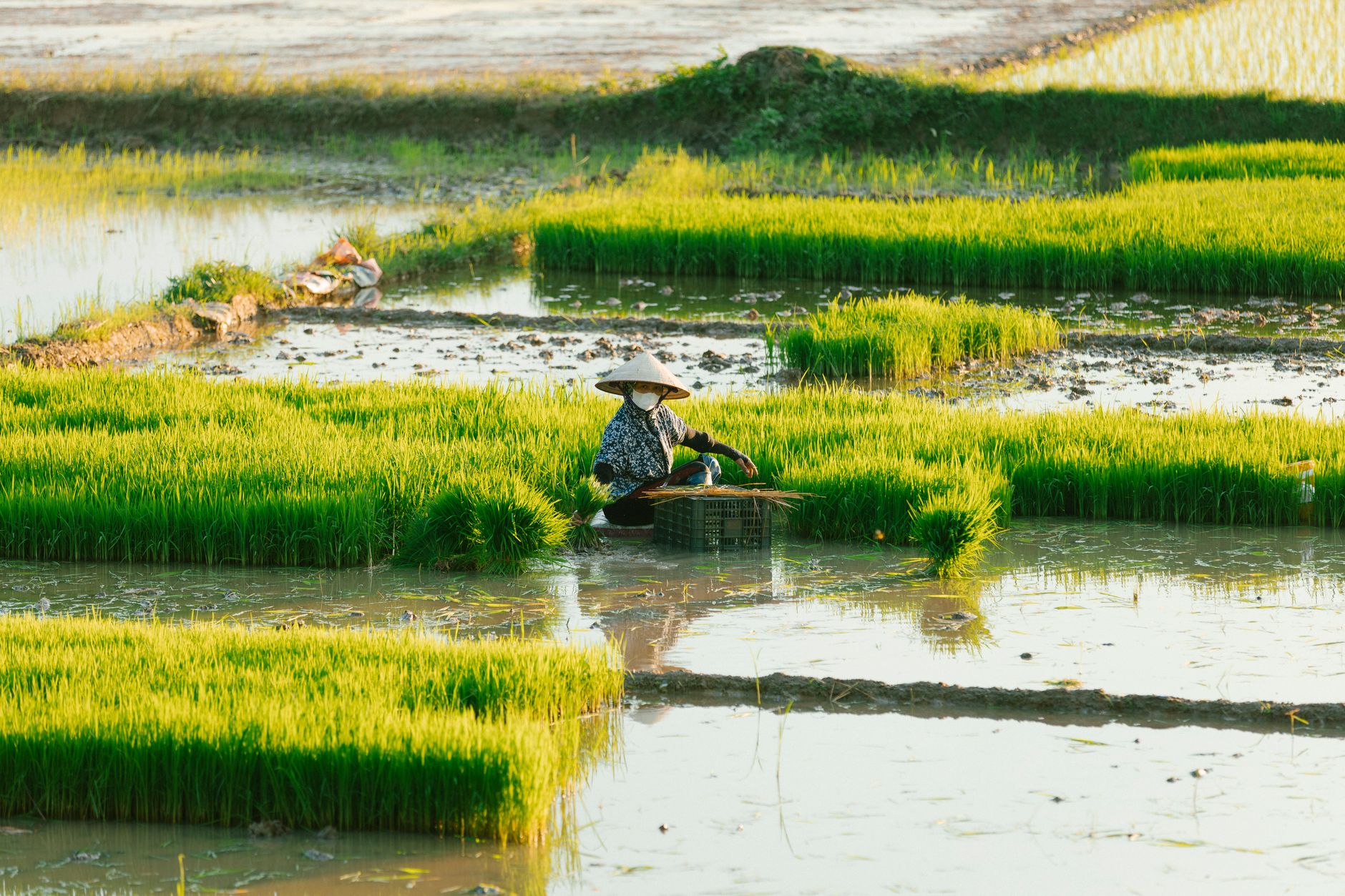
Fishing in Vietnam centres on traditional wetland and river techniques—cast nets in rice paddies near Hanoi, basket traps in the Red River, hand-lines from wooden boats in the Mekong Delta—usually half-day sessions with local fishers who teach by doing, not demonstration. Bali fishing typically means sunrise boat trips to deeper waters for line-caught marine species, or tourist-focused pond fishing. Vietnam experiences suit rhythm learners who want to wade and get wet; Bali suits those seeking scenic boat time or quick catches. Both require early starts, simple clothing, and realistic expectations: Vietnam yields small freshwater fish and the satisfaction of traditional skill; Bali promises bigger saltwater species but less cultural immersion. Cáo Experiences runs hands-on farm and countryside experiences in the Hanoi region, coordinating directly with working fishers—no performance, real methods, small groups only.
How does traditional Vietnamese fishing differ from Bali boat fishing?
Vietnamese fishing is immersive and terrestrial: you wade into paddy fields or shallow rivers at dawn, learning to throw cast nets by repetition with a fisher who's done it for decades. Hands go numb; rhythm takes hours to find. Bali fishing is maritime and motorised: you board a longtail or outrigger boat, travel 30–60 minutes offshore, and use rod-and-line techniques while the boatman handles navigation and bait. Vietnam is about becoming part of an ecosystem you can touch; Bali is about targeting species and scenic views. The cultural learning in Vietnam runs deeper because you're working within someone's actual livelihood, not a tourism script.
What's the realistic catch and effort in each location?
In Vietnam, expect small freshwater fish—fingerlings, mud carp, snakehead—that teach you net control and water reading rather than trophy fishing. Success is measured in technique gained and silence shared with your guide. Effort is high: you cast 50–100 times, wade through mud, and concentrate hard on hand position. In Bali, catches are larger—grouper, trevally, mackerel—and more predictable because boats fish proven grounds with multiple rods. Effort is lower: you sit, hold a rod, and reel when the guide tells you to. Neither guarantees a full basket, and honest guides in both places say so upfront. Choose Vietnam for the process; choose Bali if you want a higher statistical chance of a large fish.
Which season works best for each type of fishing?
Vietnam fishing peaks in the dry season (October to April), when water levels drop and fish concentrate in accessible channels—cast nets work best then. Monsoon months (May–September) mean flooded paddies and murky water; catching is harder, though wading is sometimes impossible. Bali has two seasons: dry (April–October) gives calmer seas and easier boat access; wet (November–March) brings wind and chop, though some species run better. If you plan a farm and countryside experiences session in Vietnam during monsoon, expect flexibility in location—we may shift to a river site instead of paddies. Timing matters far more than people expect.
What should you wear and bring to stay safe and comfortable?
| Aspect | Vietnam Wetland | Bali Boat |
|---|---|---|
| Footwear | Old sandals or neoprene booties (mud, sharp shells) | Deck shoes or water socks (slippery floors) |
| Clothing | Loose trousers, long-sleeve shirt, hat; bring change of clothes | Swimwear, rash guard, hat, sunglasses |
| Sun protection | High-SPF sunscreen, reapply every hour | Reef-safe sunscreen, hat essential |
| Bring | Towel, plastic bag for muddy items, insect repellent | Waterproof phone case, seasickness tablet if prone |
| Gloves | Helpful but guides often say no (feel matters) | Not needed |
Both require early rising (4–5 a.m.) and a tolerance for discomfort: cold water, insect bites, or boat sway. Honest question: can you be damp and uncomfortable for 4 hours without complaint? If yes, you'll enjoy either. If no, reconsider.
How do guides, group sizes, and cultural experience differ?
Vietnamese fishing guides are almost always the fisher themselves—no interpreter, just gestures, laughter, and shared silence. Groups stay small (2–4 people maximum) because paddies can't handle more. You learn their name, their children's names, why they fish this patch. Bali guides are often tourism-trained staff who speak English and manage 6–10 tourists per boat. Knowledge is accessible but mediated. In Vietnam, you're a guest in someone's workplace; in Bali, you're a customer in a managed experience. Both are legitimate, but the depth of human connection differs. If cultural exchange and relationship matter to you, Vietnam wins. If you prefer clear instructions and comfort, Bali suits you better. We run small farm and countryside experiences in Hanoi's rural areas with real working fishers—you'll meet them as people, not performers.

How much physical demand and what rain plan applies?
Vietnam fishing demands wading balance, repetitive arm motion (net casting), and mental focus. Your legs will shake; your shoulders will ache. Rain shuts nothing down—you're already wet. Muddy water becomes muddier. If heavy rain floods access paths, we reschedule to a riverside site. Bali boat fishing demands sea legs and ability to brace yourself against sway. If the boat rocks hard, seasickness risk rises; rain makes decks slippery. Rough seas may mean returning early or cancelling. Seniors and people with knee/back issues manage Vietnam better because movement is slower and you control pace. Children (age 8+) do well in both if they accept getting muddy (Vietnam) or bored waiting for bites (Bali). We adapt both experiences for family-focused sessions—shorter times, calmer water, guides who explain to kids directly.
What to check before you commit
Physical tolerance: Can you wade thigh-deep, or do you need solid ground? Vietnam requires the former; Bali doesn't.
Pace preference: Do you want to master one skill slowly (Vietnam) or try multiple techniques quickly (Bali)?
Group size: Do you prefer intimate (Vietnam, 2–4 people) or social (Bali, up to 10)?
Budget expectations: Ask us for dates and a quote on WhatsApp—both experiences vary by group size and season. Neither is "cheap," and the most expensive isn't the best.
Dietary or health needs: Tell us beforehand. We carry drinking water, basic first aid, and can adjust timing for insulin, heart medication, or mobility aids.
Honest outcome: Are you fishing to eat, to Instagram, to escape screens, or to learn a dying trade? Vietnam serves the last two; Bali serves the first two better.
Why Cáo Experiences Vietnam fishing stands apart
We don't theatre fishiness. The fisher you meet has been casting nets since childhood, mending them at sunset, and supporting a family on the catch. You'll watch him check the weather, read the water colour, know which paddy holds what this week. You'll fail at cast-netting repeatedly and understand, finally, why it takes a lifetime. You'll share tea afterward and hear stories—through an interpreter if needed—about seasons, floods, changes he's seen. That's real farm and countryside learning, not a performance. Rain doesn't stop it; groups of 3–4 people mean you're never a crowd.
If you're drawn to farm and countryside experiences across Vietnam—whether fishing, farming, or foraging—we can coordinate visits to multiple sites over days, always with the people who do the work.
Pages from our team you may need
FAQ
Can absolute beginners do Vietnamese fishing without experience?
Yes. The fisher expects no skill—he'll show you hand position, timing, and rhythm. You'll throw badly at first. That's the point. By hour three, your arm remembers; by next time, you'll be dangerous.
Is Bali fishing safer than Vietnam wading?
Different risks. Vietnam: slippery footing, leeches, sharp shells. Bali: boat sway, sunburn, reef cuts if you fall in. Both are safe with attention. Bali is easier on knees; Vietnam demands balance.
What if I'm vegetarian or have allergies?
In Vietnam, you're observing and learning; you don't have to eat the catch. Bring your own snacks, or ask us to arrange vegetarian meals afterward. Bali boats often include a simple lunch—tell us your restrictions when you book.
How early is "early start" for fishing?
Vietnam: 4:30–5 a.m. departure, fishing 5:30–9:30 a.m. Bali: 5 a.m. pickup, boat 6 a.m., back by noon. Both feel brutal the night before and magical by hour two.
Can kids do either experience?
Yes, from age 8 up. Vietnam suits patient kids who like mud and repetition; Bali suits those who'll sit and watch. Shorter sessions available—ask us for family-focused options.
Ask about dates
Tell us the city, your dates and what you would like to try. We reply on WhatsApp in English with options and availability.
FAQ
Can absolute beginners do Vietnamese fishing without experience?
Yes. The fisher expects no skill—he'll show you hand position, timing, and rhythm. You'll throw badly at first. That's the point. By hour three, your arm remembers; by next time, you'll be dangerous.
Is Bali fishing safer than Vietnam wading?
Different risks. Vietnam: slippery footing, leeches, sharp shells. Bali: boat sway, sunburn, reef cuts if you fall in. Both are safe with attention. Bali is easier on knees; Vietnam demands balance.
What if I'm vegetarian or have allergies?
In Vietnam, you're observing and learning; you don't have to eat the catch. Bring your own snacks, or ask us to arrange vegetarian meals afterward. Bali boats often include a simple lunch—tell us your restrictions when you book.
How early is "early start" for fishing?
Vietnam: 4:30–5 a.m. departure, fishing 5:30–9:30 a.m. Bali: 5 a.m. pickup, boat 6 a.m., back by noon. Both feel brutal the night before and magical by hour two.
Can kids do either experience?
Yes, from age 8 up. Vietnam suits patient kids who like mud and repetition; Bali suits those who'll sit and watch. Shorter sessions available—ask us for [family-focused options](/family-experiences).
More like this
Farm and countryside days
Fishing Experience Vietnam for Japanese Travelers: Where to Go & What to Expect
Vietnam's waterways offer Japanese travelers a chance to learn traditional fishing methods directly from locals. Cáo Experiences runs half- and full-day sessions on rivers, lakes and the Mekong Delta where you cast nets, set traps, and cook your catch.
Farm and countryside days
Fishing Experience Vietnam for Foreigners: Hands-On Guide
Fishing in Vietnam isn't a spectator sport—you'll wade into rivers, cast nets, trap fish in baskets, and cook your catch for lunch. We run small-group and private fishing days in the countryside outside Hanoi, Ha Noi region, and the Mekong Delta.
Farm and countryside days
Fishing Experience in Vietnam: 8 Questions to Ask Before You Go
Fishing in Vietnam means wading through rice paddies, learning trap techniques, or casting in rivers with local guides. Here's what to ask before you book.