
Home › Blog › Craft workshops
Luxury Craft Workshop Vietnam: A Host's Guide
By the Cáo Experiences team · 2026-11-06
A luxury craft workshop in Vietnam is a hands-on class where you learn a traditional Vietnamese art form—silk painting, lacquerware, ceramics, wood carving, or textile dyeing—from a skilled maker in a studio or workshop space. Sessions typically run three to four hours, include all materials, finished piece, and usually light refreshments. Cáo Experiences runs small groups (four to eight people) or private sessions for couples and families in Hanoi, Hoi An, Da Lat and Da Nang. What separates a true craft experience from tourist theater: you work directly with the maker, learn their actual process (not a simplified version), troubleshoot your own piece, and leave understanding why the craft takes years to master. Cost varies by craft, location, and group size—ask us for a specific quote. Avoid workshops that promise mastery in an hour, skip the hands-on part, or sell mass-made pieces as your "work."
Which craft should you actually choose?
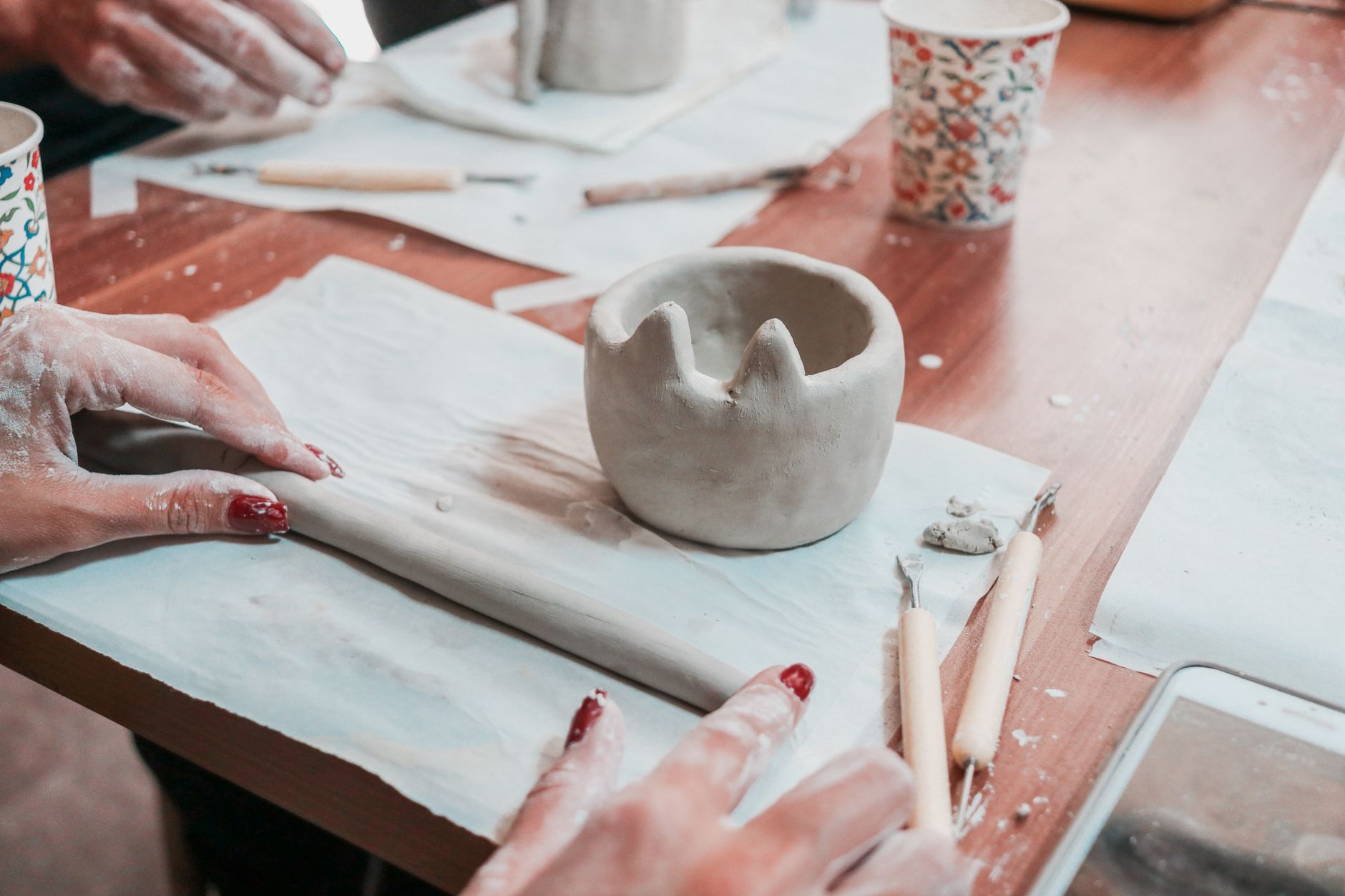
The craft you pick depends on what draws you: patience and precision, or speed and mess. Silk painting requires steady hands, fine brushwork, and willingness to accept that mistakes teach you texture. Lacquerware is slower still—often two or three layers, hours of drying between steps—so we adapt short visits by focusing on the first coat and design theory. Ceramics on the wheel can feel intimidating until your hands find the clay's center; hand-building (coiling, pinching) suits people who prefer sculpture. Wood carving and textile dyeing sit in the middle: rhythmic, forgiving, results visible in an hour. Talk to us about your patience level, not your supposed "artistic talent"—we've seen accountants produce stunning silk pieces and artists struggle with the wheel. The craft picks you as much as you pick it.
How does a typical three-hour session run, hour by hour?
Hour 1: Setup, history, tools. You arrive, remove shoes in the studio, and sit at a low work table or wheel. The maker shows you the raw materials—cocoons for silk, tree sap for lacquer, clay from a local source—and tells the story of how they learned (often from a parent or grandparent). You handle the tools: brushes, carving blades, pottery ribs, dyes. Many guests ask, "How long did it take you to get good?" The honest answer is five to ten years for fluency, and they're still learning. That context shifts how you approach your own piece.
Hour 2: Technique and your first attempts. The maker demonstrates on their own material—full focus, no rushing—while you watch and ask. Then you try: applying your first wash of silk dye, centering clay on the wheel, or laying out a lacquer design. This is where real teaching happens. The maker watches your hands, adjusts your grip, suggests a lighter touch or more pressure, wipes away a mistake, shows you how to recover. Guests often say, "I didn't expect to feel how different a small pressure change is." That's the craft at work.
Hour 3: Finishing and reflection. You complete your piece or begin another if time allows. The maker explains how they'd finish it in their own practice (sealing, firing, additional coats), and you discuss the gap between an apprentice piece and professional work—not to discourage you, but to respect the craft. You photograph your work, ask questions about tools or materials to buy at home, and often exchange contact details. Many guests ask if they can come back for a second session.
What's the difference between "luxury" and a rushed workshop?
Luxury craft doesn't mean marble tables or gold leaf in the paint. It means time, attention, and a maker who cares more about your learning than throughput. Here's the hidden difference:
| Aspect | Rushed Workshop | Luxury (Cáo Approach) |
|---|---|---|
| Group size | 12–20 | 4–8, or private |
| Maker's focus | Demonstration + sales pitch | You, your hands, your questions |
| Materials | Pre-mixed dyes, cheap clay | Source-specific, often local suppliers |
| Troubleshooting | "That's just how it looks" | Discussion of what went wrong, how to fix it |
| Final piece | Rushed, often redone by staff | Yours, imperfect, and honest |
| Time after | Upsell products | Quiet reflection or chat |
| Follow-up | None | WhatsApp access to ask later |
Luxury is small enough that the maker sees your hand falter and adjusts in real time. It's a conversation, not a performance.
Which guest types work best, and how do we adapt?
Couples often book silk painting or ceramics—quiet, paired work, natural rhythm of helping each other troubleshoot. We set up side-by-side tables so you can watch each other's style emerge.
Families with kids (ages 8+) do well with hand-building ceramics, wood carving, or natural-dye textile workshops—less wheel time (which requires patience kids often don't have yet). We give children smaller tools, shorter project timelines (one hour instead of three), and pair them with a parent so they feel supported. A seven-year-old might hand-coil a small bowl; an adult glazes it at home later.
Seniors thrive in craft workshops—many have done needlework, pottery, or painting before, and the maker's story resonates. We use cushions, adjust table heights, and pace the session slower. Arthritis or tremor doesn't disqualify you; we adjust grip or support your hand.
Groups on retreat or team days work best in open studios where four to six of you are making different things simultaneously—less pressure than a group project, more camaraderie than solo work. Our group and team experiences can pair a craft session with lunch or a walking tour.
Rainy days? All studio work—silk, lacquerware, pottery, carving—happens indoors anyway. We've never canceled a craft workshop for weather. If you're visiting from a cooler climate and the studio feels warm, wear breathable layers; some dyes stain, so avoid white linen.

What do we ship, and what stays in the studio?
Your finished piece goes home with you in protective wrapping—rolled in tissue for silk, boxed for ceramics, wrapped in kraft for carved wood. Most pieces fit in a carry-on. If you're concerned about fragility (a ceramic bowl, a lacquered tray), ask us about studio shipping at the start; some makers partner with local couriers. We don't upsell supplies or premium packaging; you get what you made, wrapped simply and well.
If your piece needs a second coat of lacquer or a kiln firing, we discuss that before you leave and give you the maker's contact to arrange it privately—no markup, no pressure. Some guests ask, "Can I come back to finish it?" Yes, if you're returning to Vietnam; others prefer to leave it as a learning piece and take a photo.
How do we handle allergies, injuries, and hesitation?
We ask about allergies (dyes, adhesives, wood dust) in our first WhatsApp chat. Latex sensitivity? We use latex-free gloves. Eczema or sensory issues with water? Hand-carving or silk painting avoids repetitive water contact. Shoulder injury or arthritis? We adjust your posture, modify the tool grip, or suggest a less physically demanding craft.
Many guests arrive saying, "I'm not artistic," "I'll be the worst in the group," or "I just want to try." That's the ideal person for a craft workshop. The maker's job is to show you that art isn't talent—it's practice, and you're practicing today. We've watched anxious guests produce the session's best piece because they paid attention and didn't rush. We've also watched confident people realize how much skill they don't have yet, and that's equally valuable.
Original decision framework: How to choose a craft workshop that's worth your time
Step 1: Honest skill inventory. Have you done this craft before? Never = fine, plan 3–4 hours and temper expectations. Done it casually = you'll notice the maker's efficiency and probably get frustrated at how slow careful work is (good sign). Professional level = ask if the maker teaches intermediate refinement or if you'd be bored.
Step 2: Patience vs. spectacle. Do you want to watch a demo and take home a souvenir, or learn something you can attempt at home? Lacquerware and ceramics wheel demand patience between attempts; silk painting and carving reward rapid feedback. Choose honestly.
Step 3: Group or private? Private workshops cost more but let you go slower, ask more questions, and avoid peer pressure. Groups (4–8 people) add social energy and context—you see how another beginner's hand moves, you hear the maker answer questions you didn't know to ask. Both are legitimate; private suits perfectionists and couples; groups suit curious people who like company.
Step 4: Location and logistics. Hanoi workshops are often in old-quarter lanes off busy streets—quiet, no tourist rush. Hoi An has silk and lantern workshops; Da Lat is known for ceramics and flower arranging (which shares technique DNA with brush painting). Da Nang offers mixed settings. Ask us which studio fits your vibe.
Step 5: Complementary experiences. If you love a craft, consider pairing it with flower arranging (teaches composition and color theory), tea experiences (aesthetic practice and patience), or art and culture classes to deepen your eye. Some guests book two back-to-back sessions if they have a week.
What to check before you commit
- Is the maker actually teaching, or are they mainly producing orders? Ask us if they've hosted before; good makers love teaching.
- Is the studio peaceful or in a noisy tourist alley? Ask about the vibe; some prefer high-energy market surroundings, others need quiet focus.
- Will your piece be finished by end of session? For wheel pottery and lacquerware, the answer is "mostly" or "the first layer." For silk and carving, usually yes. Clarify up front.
- How many people maximum? Fewer than four feels lonely sometimes; more than eight means the maker can't attend to everyone. We cap groups at eight for that reason.
- What if you hate the craft mid-session? (Bring this concern to our WhatsApp chat; each case is unique.)
Complementary experiences that deepen craft practice
If you fall in love with the precision and color theory in a silk workshop, flower arranging teaches the same design eye—you arrange botanicals using the same balance and negative space. If you choose tea experiences, you learn the same patience: the wait between brews mirrors the wait between lacquer coats. Coffee workshops aren't craft in the traditional sense, but they share meditative ritual. And if you're traveling with family, family-focused craft experiences let kids and adults work on separate skill levels in the same room.
Craft workshops fit naturally into longer stays or return trips to Vietnam. Many guests book one, love it, and ask about a second craft when they come back next year. We've seen people start a silk hobby at home after a workshop, or buy tools and continue in their own kitchen. That's the real luxury—not the afternoon in the studio, but the practice that continues long after.

FAQ
Do I need any art background to join a craft workshop?
No. Most of our guests have never done the craft before. The maker teaches from scratch. Prior experience helps you notice technique faster, but it's not required—curiosity and willingness to be clumsy matter more.
What if my piece doesn't turn out well?
It will teach you more than a "successful" piece. The maker will discuss what happened and why. You take home an honest piece that shows your learning, not a polished souvenir. That's the point.
Can I book a private workshop if I'm traveling solo?
Yes. Private sessions are common for solo travelers, couples, and small families. You get the maker's full attention. Ask us for dates and details on WhatsApp.
How long does it take to get good at a craft?
The maker can show you core technique in three hours. Real skill takes years—five to ten for fluency, often longer for mastery. Our workshops frame this honestly so you leave with respect for the craft, not false confidence.
Can I ship my finished piece home if it's fragile?
Yes, you can arrange courier shipping with the maker after the session. Or wrap it carefully in your luggage—most pieces (ceramics, carved wood, silk) travel fine in carry-ons if packed right. We'll advise based on your craft and destination.
What should I wear to a craft workshop?
Comfortable clothes you don't mind getting marks on. Some dyes and lacquer stain; carving and clay dust everything. Avoid loose sleeves near wheels or spinning tools. Bring a cardigan or light layer—studios vary in temperature. We provide aprons.
Is a craft workshop a good gift idea for someone else?
Very. Buy a private workshop as a gift and let them pick the craft after they arrive, or choose one you know they'd love. We can issue a gift arrangement via WhatsApp—no physical gift card needed.
Ask about dates
Tell us the city, your dates and what you would like to try. We reply on WhatsApp in English with options and availability.
FAQ
Do I need any art background to join a craft workshop?
No. Most of our guests have never done the craft before. The maker teaches from scratch. Prior experience helps you notice technique faster, but it's not required—curiosity and willingness to be clumsy matter more.
What if my piece doesn't turn out well?
It will teach you more than a "successful" piece. The maker will discuss what happened and why. You take home an honest piece that shows your learning, not a polished souvenir. That's the point.
Can I book a private workshop if I'm traveling solo?
Yes. Private sessions are common for solo travelers, couples, and small families. You get the maker's full attention. Ask us for dates and details on WhatsApp.
How long does it take to get good at a craft?
The maker can show you core technique in three hours. Real skill takes years—five to ten for fluency, often longer for mastery. Our workshops frame this honestly so you leave with respect for the craft, not false confidence.
Can I ship my finished piece home if it's fragile?
Yes, you can arrange courier shipping with the maker after the session. Or wrap it carefully in your luggage—most pieces (ceramics, carved wood, silk) travel fine in carry-ons if packed right. We'll advise based on your craft and destination.
What should I wear to a craft workshop?
Comfortable clothes you don't mind getting marks on. Some dyes and lacquer stain; carving and clay dust everything. Avoid loose sleeves near wheels or spinning tools. Bring a cardigan or light layer—studios vary in temperature. We provide aprons.
Is a craft workshop a good gift idea for someone else?
Very. Buy a private workshop as a gift and let them pick the craft after they arrive, or choose one you know they'd love. We can issue a gift arrangement via WhatsApp—no physical gift card needed.
More like this
Craft workshops
Craft Workshop in Saigon: Small Group Classes for Beginners
Cáo Experiences runs small-group craft workshops across Saigon where you learn traditional and contemporary making in intimate studio and community spaces. Sessions suit absolute beginners, families, and skill-builders.
Craft workshops
Craft workshop in Saigon for couples: what to choose
Couples in Saigon have three main craft paths: ceramics in a family studio, natural-dye silk painting, or bamboo weaving. Each teaches differently and suits different moods.
Craft workshops
Craft Workshop in Hoi An: What to Expect Step by Step
A craft workshop in Hoi An with Cáo Experiences is a half or full-day session where you learn a traditional Vietnamese skill—lantern-making, silk painting, woodblock printing, or lacquerware—in a working studio or family workshop. You leave with a finished piece you made yourself.