
Home › Blog › Art and culture classes
Painting class in Ninh Binh: what to expect and how to choose
By the Cáo Experiences team · 2026-11-06
Cáo Experiences runs art and culture classes in Ninh Binh where you learn painting — watercolour, ink, acrylics, or mixed media — with a host artist in an open studio, usually for 2–3 hours. Sessions are small-group (4–6 people) or private, in English, and suit complete beginners through people with some experience. The studio is set up with easels, brushes, paper, pigments, and water stations; we provide all materials. You'll work on real subjects — often inspired by local landscapes, traditional motifs, or still life — and take your work home. Ninh Binh's limestone peaks and rice paddies offer constant visual inspiration. Weather rarely stops a session (we're indoors), though extreme heat in May–June means earlier start times. Ask us for dates and a quote on WhatsApp; cost depends on group size and duration. Ask about dates on WhatsApp
What painting medium works best for a first class?
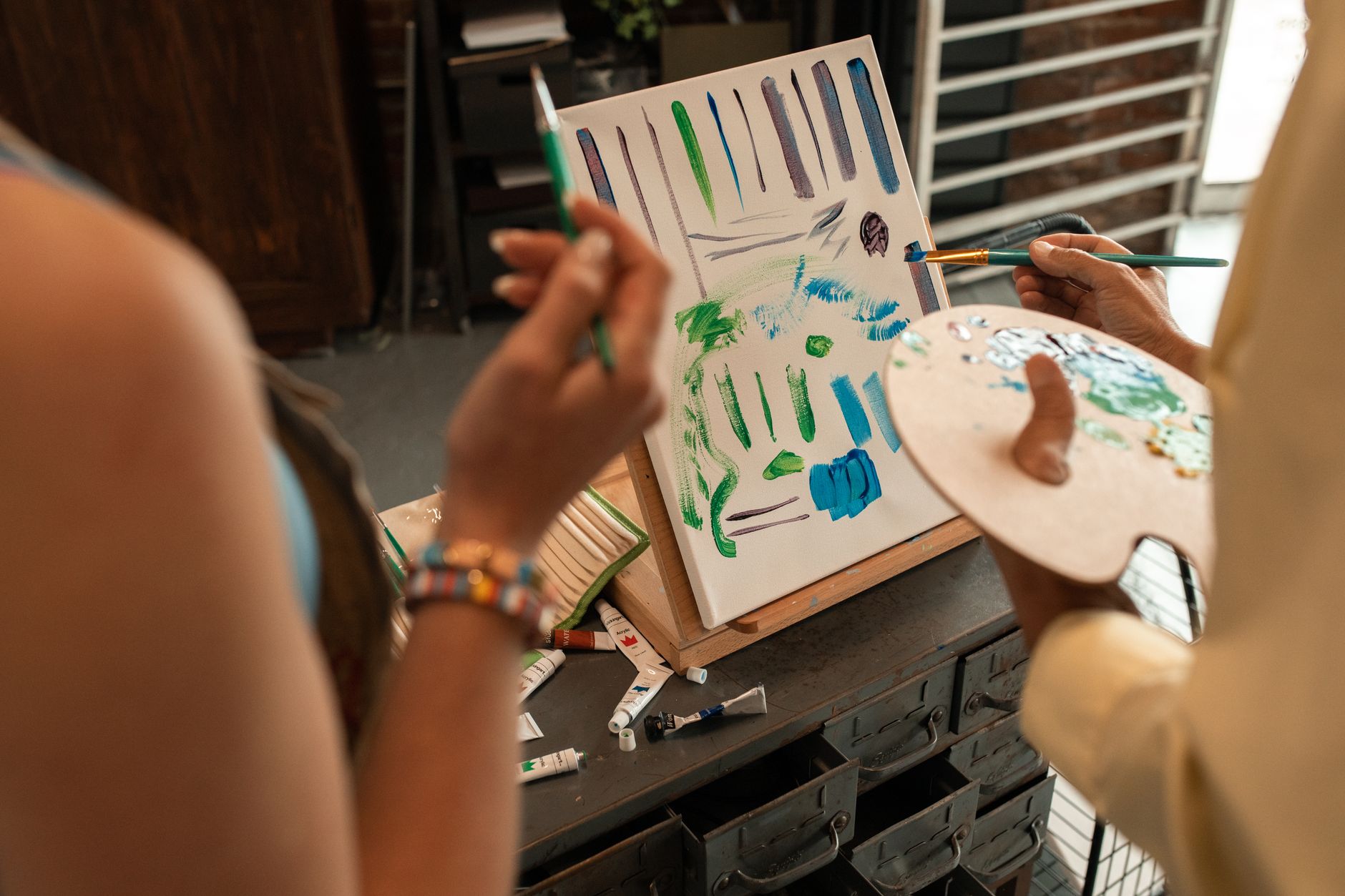
Watercolour is the most forgiving for beginners because you can lift mistakes with water and layering happens naturally. Acrylic dries fast, suits people who like bold colour and want to paint over errors. Ink demands patience and precision—ideal if you're curious about traditional Vietnamese calligraphy or abstract line work. Our host will help you choose based on what draws you in: ink feels meditative; acrylic feels immediate; watercolour feels like play. We stock all three, so you decide on the day or tell us in advance.
Who should book and who might find it frustrating?
Book if you want a genuine creative break, enjoy having expert guidance nearby, or feel curious about how artists approach seeing. Skip if you expect a polished outcome on day one—we focus on process, not product. Kids under 8 often do better with craft workshops (less technical setup). Seniors with steady hands love painting classes; those with arthritis or tremor find brush control hard—we can adapt to drawing or collage instead. Groups of friends and couples get real value; solo travellers often prefer flower arranging or coffee workshops for more social flow.
How do we adapt for different skill levels in a mixed group?
We keep brushes, paper weights, and pigment ratios simple so everyone starts equally. A complete beginner and someone with high school art both begin with basic shapes and colour mixing. Our host circulates constantly: correcting technique (how to hold the brush), suggesting next steps (add shadows, try texture), and celebrating small wins. Nobody feels rushed or held back because we're not moving through a curriculum—each person follows their own pace while sitting together. We've found mixed-level groups actually work better: experienced people model confidence; beginners ask questions that refresh the basics for everyone.
What actually happens, hour by hour?
Minutes 0–10: We settle you in, show where materials live, pour water. You talk about what you'd like to paint (a landscape, a still life you bring, abstract exploration). The host shows a short demo—how to mix ochre, load a brush, or hold the pen for ink.
Minutes 10–50: You sketch or underpainting begins. This is messy and uncertain; the host keeps moving, redirecting hands, suggesting alternatives. Some people chat; others go silent and focused.
Minutes 50–90: Colour or ink goes on. Mistakes happen—a shadow too dark, a line wobbly. We talk through fixing it, or we paint over it. By now people usually relax and stop comparing themselves to others.
Final 10–15 minutes: We stand back, you sign your work or add a final touch. Photos. You pack it to dry or take it home. Water gets spilled, brushes get forgotten—totally normal.

What do beginners actually worry about—and what really matters?
| Worry | Reality | What to do |
|---|---|---|
| "I'm not artistic" | Nobody starts artistic; you're learning a skill | Trust the host. Watch your hand move the brush. |
| "My painting will look bad" | It will. That's the whole point of learning. | Make mistakes. The host uses them to teach. |
| "I'll be slower than others" | Yes, often. Speed doesn't matter here. | Finish your own work. No timer. |
| "What if I spill paint on myself?" | It happens. Wear clothes you don't love. | We have aprons. Acrylics wash off; ink stains. |
| "Will I take home something decent?" | You'll take home something honest. | Frame it, gift it, laugh at it later. |
How do we handle rain, allergies, and dietary needs?
The studio is indoors, fully covered. Rain never cancels a session—it actually changes the light beautifully and sometimes inspires moodier work. If you're sensitive to solvent fumes (rare with our acrylic and watercolour setup), tell us; we open windows and work in acrylics instead. Latex allergies mean latex-free gloves only. Ninh Binh's humidity can make watercolour paper expand slightly—we size paper in advance if you're fussy about texture. Nobody needs food or drink during a 2-hour class, but we keep bottled water and fruit on hand.
What to check before you book an art class
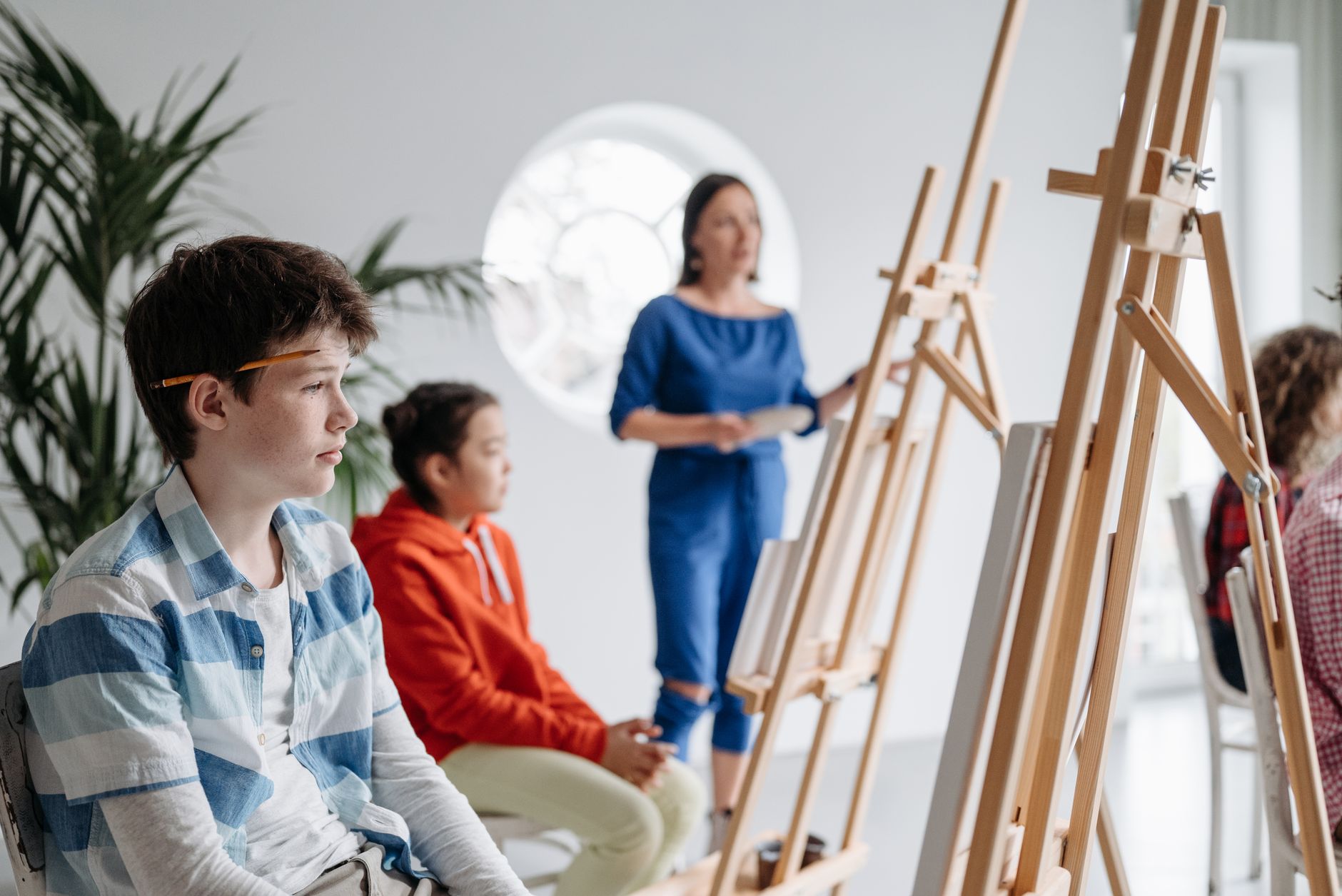
Studio space. Is it bright (natural light is non-negotiable for seeing colour true), well-ventilated, and calm? We sit in a working artist's studio with big windows and white walls that reflect light.
Material quality. Cheap brushes and thin paper frustrate beginners. We use student-grade (not artist-grade—unnecessary cost) paper, brushes, and pigments from suppliers used by local schools and professionals.
Host experience. Your teacher should be able to paint (not just teach). They should show work, explain why a technique matters, and adapt mid-session if you're stuck. We host artists who work in the medium you're learning.
Group size. Fewer than 3 people often feels lonely; more than 6 means the host can't give everyone feedback. We cap private groups at 6 unless you request one-on-one.
Logistics. Can you get there easily? Do you know where to park? Do you need to bring anything? (You don't—we supply all art materials.) Is there a rain plan? (There is: same place, same time, same work.)
What you'll actually take home. If you want a finished piece to frame, book a private session so you can do multiple drafts. Group sessions produce honest, unpolished work—and that's the point.
Other ways to explore creativity in Ninh Binh
If painting feels too structured, consider flower arranging—it's similar process, different medium, and deeply calming. For something hands-on and messy, craft workshops include woodblock printing, ceramic hand-building, and weaving. If you want creative input and movement, horse riding in the countryside often sparks observation skills that sharpen your eye for landscape. For groups and teams, group and corporate experiences can combine a painting session with a coffee workshop or farm experience outdoors.
We also run art and culture classes across Vietnam—Hanoi, Hoi An, Da Lat—so if you're travelling beyond Ninh Binh, you can paint in multiple places and build a series.
See how a session runs
FAQ
Do I need to be under 65 or have no health issues to join?
No. Seniors paint with us regularly. If you have back pain, we bring a cushion. If your hands shake, we adapt to larger brushes or drawing instead. Tell us before you book so we prepare.
Can I bring my own paints or brushes?
You can, but we recommend using ours first—we know how they behave and can explain why we chose them. Your own materials often complicate things; we're set up for consistency.
What happens if I hate my painting?
It stays on paper. Some people bin it; others keep it to laugh at later or show how far they've come. We never make you feel bad about the work. The point is the process, not the product.
Can I book a private session for just me and my partner?
Yes. Private sessions run the same way as group ones but slower and more personalized. You pick the medium, duration, and subject. Ask for a quote on WhatsApp.
How much wet paint will be on me by the end?
Usually a few specks on hands and maybe a smudge on your sleeve if you're not careful. Watercolour is tidier than acrylic; ink is tidiest. Wear old clothes and you're fine.
Can kids join, or are there kid-only sessions?
Kids 8+ can join a regular class if they're comfortable sitting for 2 hours. Younger kids often get restless. We run family experiences and craft workshops designed for ages 4+, which include painting but with more movement breaks.
Ask about dates
Tell us the city, your dates and what you would like to try. We reply on WhatsApp in English with options and availability.
FAQ
Do I need to be under 65 or have no health issues to join?
No. Seniors paint with us regularly. If you have back pain, we bring a cushion. If your hands shake, we adapt to larger brushes or drawing instead. Tell us before you book so we prepare.
Can I bring my own paints or brushes?
You can, but we recommend using ours first—we know how they behave and can explain why we chose them. Your own materials often complicate things; we're set up for consistency.
What happens if I hate my painting?
It stays on paper. Some people bin it; others keep it to laugh at later or show how far they've come. We never make you feel bad about the work. The point is the process, not the product.
Can I book a private session for just me and my partner?
Yes. Private sessions run the same way as group ones but slower and more personalized. You pick the medium, duration, and subject. Ask for a quote on WhatsApp.
How much wet paint will be on me by the end?
Usually a few specks on hands and maybe a smudge on your sleeve if you're not careful. Watercolour is tidier than acrylic; ink is tidiest. Wear old clothes and you're fine.
Can kids join, or are there kid-only sessions?
Kids 8+ can join a regular class if they're comfortable sitting for 2 hours. Younger kids often get restless. We run [family experiences](/family-experiences) and [craft workshops](/craft-workshops) designed for ages 4+, which include painting but with more movement breaks.
More like this
Art and culture classes
Calligraphy class Hue: what to expect and how to start
Calligraphy classes in Hue teach you to hold the brush like a local, understand character structure, and leave with real work. We run them in an artist's studio space where you'll work alongside other learners—no previous art experience needed.
Art and culture classes
Best painting class in Hoi An: find your style
Hoi An's painting classes range from traditional lacquer to watercolour, silk and ink. We show you how to choose the right fit for your skill and schedule.
Art and culture classes
Best Painting Class in Da Nang: What to Know Before You Book
Painting classes in Da Nang range from casual drop-in sessions to structured multi-week courses. We walk you through what each type offers, who they suit best, and what to check before you commit.