
Home › Blog › Craft workshops
Pottery Class Hoi An Thanh Ha: Learn from Master Artisans
By the Cáo Experiences team · 2026-11-06
Pottery classes in Thanh Ha, Hoi An, happen in working family kilns and studios where potters make functional and decorative pieces daily—not tourist-only setups. Sessions run 2–3 hours with Cáo Experiences: you arrive by bicycle or scooter, meet your host potter, throw clay on the wheel or hand-sculpt a small bowl, and see firing techniques used for decades. No experience needed; we adapt for complete beginners, kids as young as six, and seniors who sit while working. You take home a piece (fired later if needed); we handle glaze and kiln details. Wear clothes you don't mind getting wet clay on. Ask us for dates and a quote on WhatsApp—cost depends on group size and whether you want firing included.
What happens when you arrive at the pottery studio?
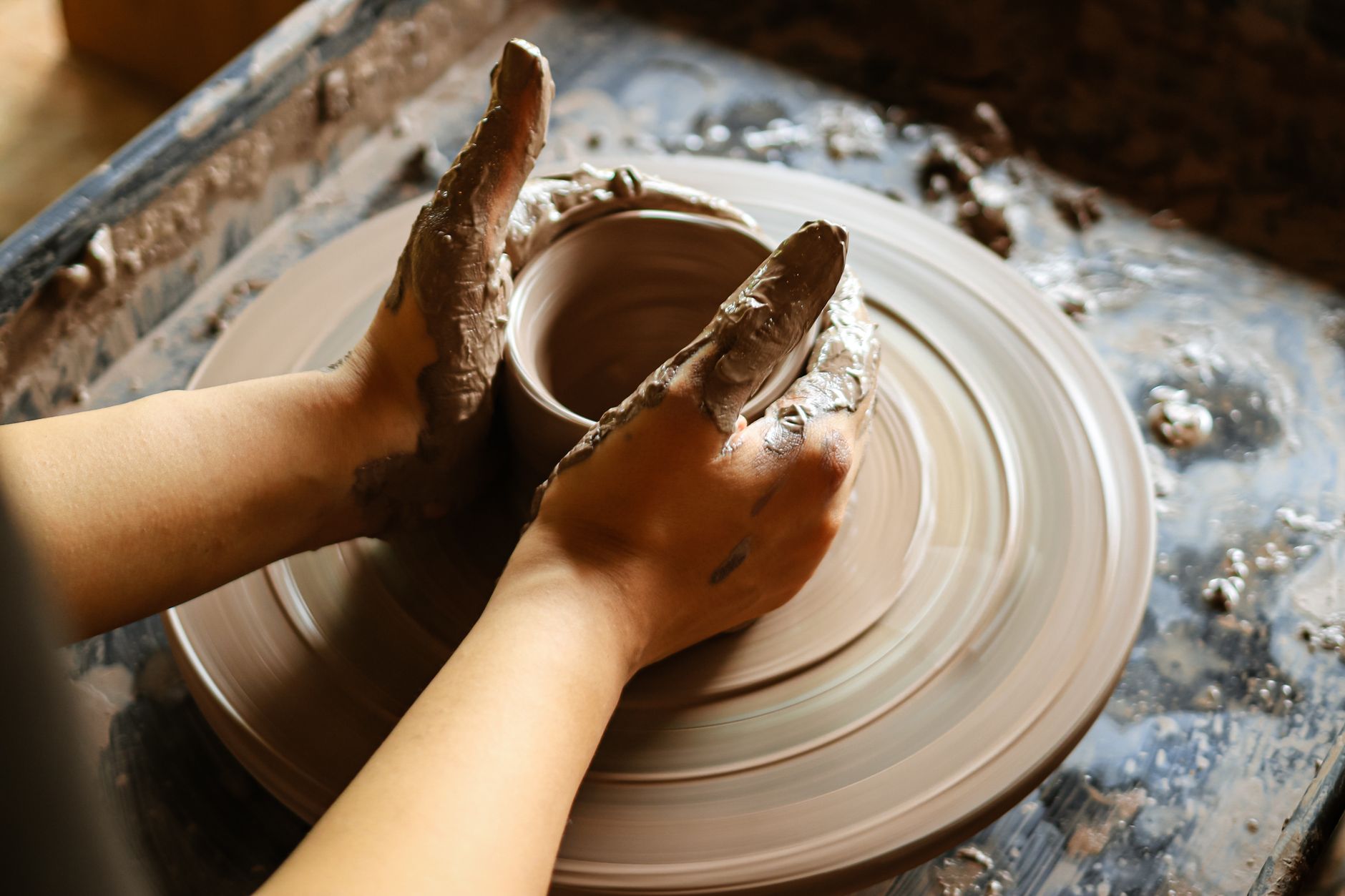
Your host meets you at the family workshop—a low brick building with a kiln, clay bins, and hand tools everywhere. The potter shows you how clay is wedged (kneaded to remove air), asks if you've touched clay before, and lets you feel the wheel. We offer tea while you watch the potter throw for two minutes; most guests are surprised how fast it looks. Then you step up to the wheel. First five minutes feel clumsy; by minute fifteen, the clay centers. By the end, you have a rough bowl, plate, or cup—imperfect and perfect.

How does the hand-sculpting path differ from the wheel?
If wheel-throwing feels intimidating or you have mobility concerns, we offer hand-sculpting instead. You coil clay, pinch shapes, and join pieces with slip (liquid clay). Kids under ten often do this naturally; seniors appreciate no balance needed at the wheel. The results—animals, tiles, vessels—are often more imaginative than wheel work. Both techniques are authentic; Thanh Ha potters use both for daily production. We don't push one over the other. Choose based on what feels right when you arrive.
Why does Thanh Ha pottery feel different from tourist classes elsewhere?
Thanh Ha is not a museum village; potters live and work there, selling to wholesalers, restaurants, and repeat locals. We book you into a family workshop because the potter is already there firing a kiln or glazing stock—you're a guest in a real process, not the focus. You see failures (cracked pieces, rejected batches), repairs, and the economics of craft. The potter talks about prices, materials, and market changes. No script. No artificial "cultural experience" framing. This honesty is why guests remember it.
What should you wear and bring to stay comfortable?
Wear old trousers or a skirt (wet clay stains, washes out). Bring flip-flops or sandals—you'll want to slip them off near the wheel. Bring sunscreen; studios have shade but not full cover. A small towel helps. We provide an apron, but bring a second shirt if you're worried. If it rains, the workshop still runs indoors; kilns generate warmth. Rainy-day pottery is quieter and slower—the clay absorbs humidity, so wedging takes longer. We tell you this upfront; some guests prefer the rain for that reason.
Can children and seniors really do this together?
Yes, often in the same group. Kids aged six and up manage the wheel with your hand guiding theirs; we don't leave them alone. Seniors sit on a stool at a lower wheel if standing tires them, or hand-sculpt lying back. Parents sometimes make while kids watch and paint unfired pieces. We've hosted three-generation groups. The pottery doesn't care about age; clay teaches the same lesson to everyone—control comes from gentleness, not force. One session is never the same twice because different hands are on the wheel.
How does the firing and take-home process work?
You sculpt or throw during the session; the piece stays at the studio. The potter fires it (usually within a week) and can mail it, or you collect it if you're staying in Hoi An longer. We arrange this on WhatsApp. Glazing happens after initial firing; the potter usually chooses a color from their stock unless you request a specific shade. The piece arrives as a functional bowl, plate, or sculpture—ready to use or display. If you're flying out tomorrow, we can fire and glaze in 48 hours for an extra fee; ask when you book.
| Choice | Time needed | Physical demand | Best for |
|---|---|---|---|
| Wheel-throwing | 90 min active | Medium (standing, core balance) | First-time makers, confident learners |
| Hand-sculpting | 90 min active | Low (seated, flexible pace) | Kids, seniors, those who prefer creation over technique |
| Combined session | 2.5–3 hours | Medium (mix both techniques) | Groups wanting variety, longer visits |
| Observation + painting | 1.5–2 hours | Minimal (watching, then painting unfired pieces) | Very young kids, mobility concerns, brief visits |
What allergies or dietary needs do we handle?
The class itself involves no food prep, only tea and water. If you have a latex allergy, tell us before you arrive—some hand tools have latex handles; we bring alternatives. Clay dust is minimal in Thanh Ha workshops because they work with wet clay. If you have respiratory concerns, mention it and we'll position you near open doors. No other dietary or physical constraints apply. Bring your own water bottle if you prefer. The environment is working and informal—no catering, no pretense.
Is there a skill level you should reach before trying?
No. Beginners arrive most often. We've never turned anyone away for "not being ready." The first five minutes are always rough; the potter expects this. By thirty minutes in, hand-eye coordination clicks. Experienced sculptors or potters sometimes find it humbling—your wheel skills don't transfer if you haven't thrown clay before. That's the point. Honesty: if you expect to make museum-quality ceramics in two hours, you'll be disappointed. If you expect to understand why potters love this craft, you will.
How does a pottery class fit into a longer Hoi An visit?
Many guests combine it with flower arranging workshop or street food and market tour the same day—pottery is morning (8 a.m.–11 a.m. or noon), market and street food lunch after. A few do Vietnamese cooking class and pottery on alternate days. Others pair it with a cycle ride through rice paddies and villages, then pottery as a slow afternoon activity. Farm and countryside experiences in the same region often include a pottery studio visit but not a hands-on session. Ask your host how to layer experiences without overloading your schedule.
What to check before you book
- Group size: Ask if you want a private session (one or two people) or small group (4–6). Private sessions are quieter and more flexible with timing; groups are more social. Both run most weeks.
- Firing timeline: If you're leaving Hoi An soon, confirm the potter can fire within your window. Some pieces benefit from slow-drying (a week) before firing; rush orders are possible but affect glaze color.
- Rain: Not a barrier, but let us know if you prefer a covered studio. We'll match you with the right workshop.
- Kids or seniors: Tell us ages and any mobility notes. We'll brief the potter and choose hand-sculpting or a combined approach.
- Collection method: Arrange delivery to your accommodation, collection at the studio, or shipping. Packing is careful; breakage is rare but happens. Confirm before you leave.
Other craft experiences worth combining
If pottery speaks to you, art and culture classes in Hoi An include lacquer painting and silk techniques at the same skill-building pace. Tea experiences in the old quarter pair well with pottery—both slow-down practices. A horse riding experience nearby offers full-day countryside immersion. All are small-group, hands-on, English-hosted. We can layer them across your visit or run one deep session. Browse all craft workshops for the full range, or ask us about combining pottery with something else.

FAQ
Do I need experience to throw on a pottery wheel?
No. We assume zero experience. The potter teaches hand placement and centering step-by-step. Most people throw a recognizable bowl by minute twenty.
What if my pottery cracks or breaks during firing?
Cracks are rare with slow drying and proper firing. If one happens, the potter usually offers a small replacement; we cover accidents from our end. Tell us immediately if you notice a defect.
Can I request a specific color glaze for my piece?
Yes. The potter has 5–8 standard glazes in stock (blues, greens, creams, browns). You choose after your piece is leather-hard. Custom glazes cost extra and take longer to fire.
How long does it take to get my finished piece?
Standard firing takes 5–10 days. We can arrange express (48 hours) if you ask when booking. Shipping or hand-collection afterward.
Is the workshop wheelchair-accessible?
Hand-sculpting is fully doable seated; the wheel requires a low stool and some balance. Tell us in advance so we find the most accessible studio for you.
Ask about dates
Tell us the city, your dates and what you would like to try. We reply on WhatsApp in English with options and availability.
FAQ
Do I need experience to throw on a pottery wheel?
No. We assume zero experience. The potter teaches hand placement and centering step-by-step. Most people throw a recognizable bowl by minute twenty.
What if my pottery cracks or breaks during firing?
Cracks are rare with slow drying and proper firing. If one happens, the potter usually offers a small replacement; we cover accidents from our end. Tell us immediately if you notice a defect.
Can I request a specific color glaze for my piece?
Yes. The potter has 5–8 standard glazes in stock (blues, greens, creams, browns). You choose after your piece is leather-hard. Custom glazes cost extra and take longer to fire.
How long does it take to get my finished piece?
Standard firing takes 5–10 days. We can arrange express (48 hours) if you ask when booking. Shipping or hand-collection afterward.
Is the workshop wheelchair-accessible?
Hand-sculpting is fully doable seated; the wheel requires a low stool and some balance. Tell us in advance so we find the most accessible studio for you.
More like this
Craft workshops
Craft Workshop in Saigon: Small Group Classes for Beginners
Cáo Experiences runs small-group craft workshops across Saigon where you learn traditional and contemporary making in intimate studio and community spaces. Sessions suit absolute beginners, families, and skill-builders.
Craft workshops
Craft workshop in Saigon for couples: what to choose
Couples in Saigon have three main craft paths: ceramics in a family studio, natural-dye silk painting, or bamboo weaving. Each teaches differently and suits different moods.
Craft workshops
Craft Workshop in Hoi An: What to Expect Step by Step
A craft workshop in Hoi An with Cáo Experiences is a half or full-day session where you learn a traditional Vietnamese skill—lantern-making, silk painting, woodblock printing, or lacquerware—in a working studio or family workshop. You leave with a finished piece you made yourself.