
Home › Blog › Wellness and slow experiences
Yoga Class in Saigon: Finding Your Right Fit
By the Cáo Experiences team · 2026-11-06
Yoga classes in Saigon range from boutique studios offering heated vinyasa and power flows to community spaces running slower hatha or yin sessions, with group classes typically charged per session or monthly membership and private instruction available for beginners, injured or mobility-limited guests. Most in-person studios run 60–90-minute sessions; many also offer online or hybrid attendance. Cáo Experiences can coordinate a wellness and slow experience that weaves yoga, breathwork, or meditation into a broader cultural or countryside setting—pairing movement with tea, farm time, or garden stillness—rather than studio-only formats. Before choosing, verify studio heating systems if you prefer hot yoga; confirm whether the style matches your fitness level (beginner-friendly vs. advanced-only); check if they adapt for injuries, pregnancies, or stiffness; and ask whether drop-in pricing or a trial class is available so you don't commit to a full month sight unseen. Ask about dates on WhatsApp
What styles of yoga are actually available in Saigon?
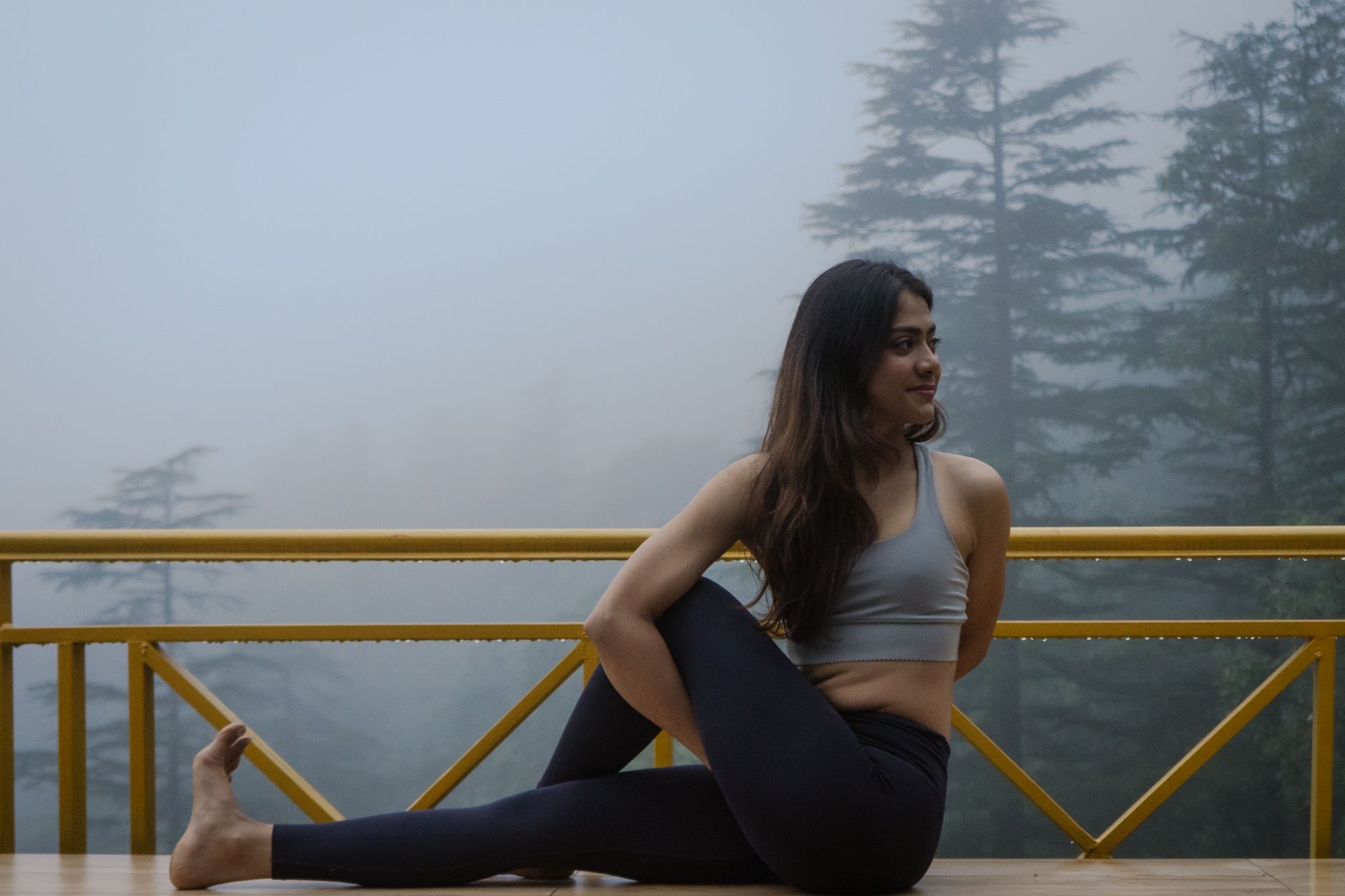
The studios across the city lean into specific lineages. Power or vinyasa studios emphasize movement linked to breath, often in heated rooms—these suit people who want cardiovascular challenge or love flowing sequences. Hatha classes move more slowly, holding poses longer; they appeal to beginners, older adults, or anyone wanting time to understand alignment without sweat pressure. Yin yoga—long, passive holds—targets connective tissue and suits people recovering from injury, living with chronic tension, or seeking genuine rest. Restorative yoga uses props to support the body entirely; it's gentler still and favors stress relief over strength. Barre-fusion or yoga-pilates hybrids exist too. Most studios post their schedule online; "beginner," "all levels," and "advanced" labels help, though many teachers will quietly modify for you if you arrive early and chat with them. The catch: a studio's website style doesn't always match how the teacher actually teaches, so ask for a trial class before a longer commitment.
Should you join a studio membership or try drop-in classes first?
Drop-in pricing lets you test a style and teacher without financial lock-in. Most studios charge per session—roughly consistent across brands, though exact amounts vary. A monthly unlimited membership makes sense only after you've attended 4–6 times and confirmed the style, schedule, and teaching approach fit your life. Many studios offer a trial week (sometimes free, sometimes discounted) specifically so you can sample without full commitment. Newcomers often worry they'll feel out of place or too stiff—nearly every teacher hears this hourly and adjusts for it. The real risk is signing a 3-month contract at a studio you haven't actually tried; if their teaching style doesn't click, or if the class time shifts, you're stuck paying. Ask the front desk whether you can attend a free or low-cost taster session, and be honest about your experience level and any injuries—teachers genuinely want this information and will scale the class accordingly.
Explore wellness experiences
How do group classes and private instruction compare?
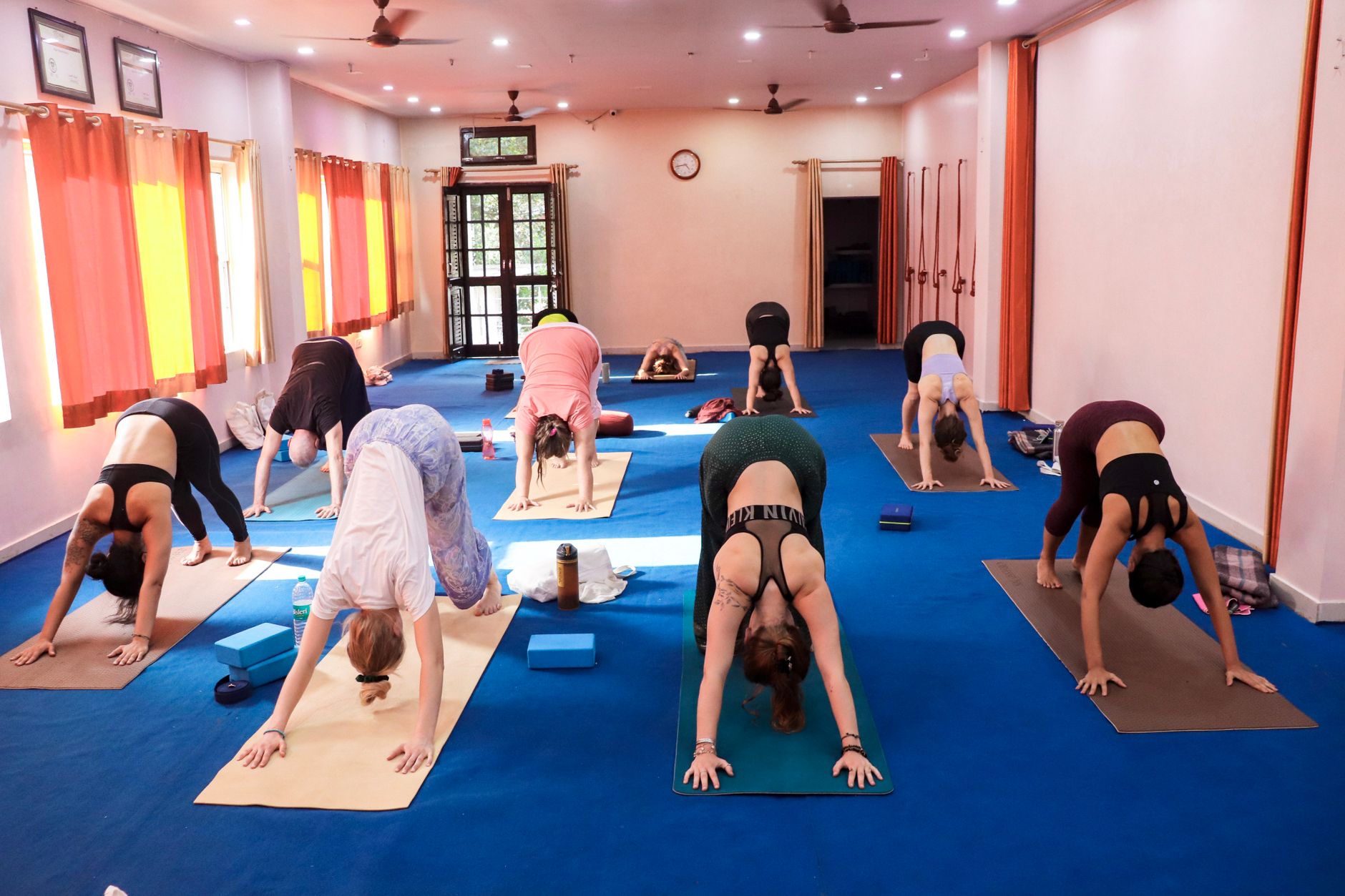
Group classes ($X–$Y per session, based on studio pricing lists) offer community energy, fixed schedules, and lower cost per hour. You move alongside others, which some find motivating; teachers offer modifications aloud so you can adapt silently. Private instruction costs more per session but allows the teacher to design a sequence just for you, watch your alignment up close, correct form in real time, and adjust if you have injuries or tight spots the group teacher can't address. Private sessions suit people recovering from surgery, managing chronic pain, or learning yoga for the first time with high anxiety. A hybrid approach works well: take group classes for rhythm and affordability, book a private session every month or two for alignment check-ins and personalized refinement. Some studios offer semi-private (2–4 people) as a middle ground. Beginners often benefit from even one private session upfront so a teacher can explain foundational cues you'll then hear in group classes with fresh understanding.
Can you combine yoga with other wellness or cultural experiences?
Yes—and this is where Cáo Experiences' approach differs from studio-only paths. We offer wellness and slow experiences that weave movement, breathwork, or meditation into a day that also includes tea ceremony, garden time in a peaceful outdoor space, or a countryside morning. These aren't strict yoga classes; they're slower, more spacious sessions designed to help you settle into Vietnam's rhythm rather than optimize your asana practice. For example, a farm-based morning might open with breath work and gentle movement in a garden, then transition to tea preparation and a slow breakfast—you're practicing body awareness throughout, not in a 60-minute block. This appeals to travelers, people burned out on studio intensity, or those wanting to understand how Vietnamese cultures relate to stillness and presence. You can also pair yoga exploration with art and culture classes or a tea experience to deepen your sense of embodied learning. Ask us to blend these—we coordinate privately and usually run these sessions outside peak studio hours.
See our wellness experiences
What should you check before you commit to a yoga class or studio?
Use this checklist before paying for a month:
- Heating system: Is the room naturally ventilated, air-conditioned, or heated? (Some styles require heat; others don't. Ask if they control temperature actively.)
- Beginner welcome: Do they have a beginner track, trial week, or do they advertise "all levels honestly"?
- Injury adaptations: Have you told the teacher about any injuries, stiffness, or surgeries? Do they offer alternatives in real time, or just say "modify as needed"?
- Class length: Is it 60, 75, or 90 minutes? (Shorter suits lunch-hour schedules; longer allows deeper warm-up and cool-down.)
- Schedule fit: Does the studio offer early morning, midday, or evening classes that sync with your timezone or daily rhythm?
- (Some studios charge for cancellations within 24 hours.)
- Teacher continuity: Do you want the same teacher each week for consistency, or variety?
- Community tone: Is the studio quiet and meditative, or social and chatty before and after? (Both are fine; pick what suits you.)
- Trial access: Can you drop in free or discounted once before committing?
Many travelers and expats in Saigon also ask whether to do yoga at a studio, at their accommodation, or as part of a broader experience. Studio classes offer structure and expert cueing; home practice is flexible but requires discipline; and a retreat-style session (like ours) combines skill-building with environment change—often the most memorable entry point.
| Option | Best For | Commitment | Cost Basis | Why It Works |
|---|---|---|---|---|
| Group studio class | Routine, community, affordability | Drop-in or monthly | Per-session or unlimited monthly | Structure, teacher expertise, peer energy |
| Private instruction | Alignment focus, injury recovery, anxiety | 1 session or weekly | Higher per-hour rate | Personalized cuing, form correction, pacing |
| Semi-private (2–4 people) | Small group bond, personalization without solo cost | Package or monthly | Mid-range per-person | Hybrid flexibility |
| Wellness retreat or farm-based session (Cáo) | Cultural immersion, burnout reset, broader learning | Half-day or full-day | Full-experience pricing | Movement + environment + tea/garden, not studio-only |
| Online + studio hybrid | Flexibility + community | Monthly or as-you-go | Varies by studio | Schedule freedom with group accountability |
What actually goes wrong—and how to dodge it?
Signing a long contract without a trial. Solution: always ask for one free or low-cost drop-in first.
Assuming "all levels" means truly beginner-friendly. Some studios say it but teach fast; ask the front desk whether beginners regularly attend and whether the teacher explicitly offers modifications.
Not mentioning an injury or chronic pain. Teachers can't help if they don't know. Arrive 5 minutes early, tell them briefly, and watch how they respond. If they ignore you or seem impatient, that's a flag.
Picking a style or teacher based on Instagram alone. Studios with the slickest aesthetic don't always teach the best. Visit in person, take a trial, notice whether the teacher actually watches you or just talks.
Overcommitting to heat. If you've never done hot yoga, try it once before a monthly membership. Some people love the sweat detox; others feel dizzy or dehydrated. See how your body reacts.
Some studios charge you if you cancel within 24 hours. Read the fine print before signing up.
If yoga isn't studio-only, what else is worth exploring in Saigon?
Many people drawn to yoga—the mindfulness, the slowing down, the attention to breath and body—also love our tea experience, flower arranging workshop, or farm and countryside experiences. These all cultivate presence and embodied awareness in different ways. A tea ceremony, for instance, is meditation in motion; flower arranging teaches you to notice form and balance without rushing; a farm morning resets your nervous system through gentle movement and natural rhythm. Some guests combine a yoga trial at a studio with a half-day farm or tea session to build a fuller wellness week. We can help you layer these—ask us to pair a studio recommendation with a Cáo experience that deepens the same intention.
Explore all wellness paths

FAQ
Is yoga in Saigon much more expensive than in my home country?
Per studio price lists, group class rates are typically 20–40% lower than Western cities. Monthly unlimited memberships offer better value than drop-in if you attend 8+ times per month. Private instruction costs vary widely; ask studios for their rate directly.
Can I do yoga if I'm very stiff or haven't moved in years?
Yes. Tell the teacher on your first visit, arrive early, and ask for beginner-specific modifications. Hatha, restorative, and yin styles suit people rebuilding mobility. Avoid power or heated vinyasa until you've tested your baseline with a gentler class.
Do I need special clothing or equipment?
Wear loose, comfortable clothes that let you move freely. Most studios provide yoga mats; check before buying your own. You'll remove shoes inside. Some studios ask you to arrive hydrated; bring a water bottle if the studio doesn't provide one.
What's the real difference between a "beginner" and "all levels" class?
"Beginner" teaches foundational poses, holds them longer, and moves slowly—true for newcomers. "All levels" typically moves faster and assumes you know basic poses; beginners can attend but may feel rushed. Ask the studio which genuinely suits you, not just the label.
Can I combine a yoga class with other experiences while I'm in Saigon?
Absolutely. Studios run throughout the day, so you can slot a morning class before a street food and market tour, or an evening class after a Vietnamese cooking class. Or book a Cáo wellness or farm experience that blends movement with tea, garden time, or countryside immersion.
How do I know if a teacher is good before I pay?
Take a trial class if offered. Notice whether they watch the room, offer verbal modifications, adjust your alignment if you ask, and seem genuinely interested in your level. A good teacher asks about injuries, checks in halfway through, and doesn't just demonstrate from the front.
Ask about dates
Tell us the city, your dates and what you would like to try. We reply on WhatsApp in English with options and availability.
FAQ
Is yoga in Saigon much more expensive than in my home country?
Per studio price lists, group class rates are typically 20–40% lower than Western cities. Monthly unlimited memberships offer better value than drop-in if you attend 8+ times per month. Private instruction costs vary widely; ask studios for their rate directly.
Can I do yoga if I'm very stiff or haven't moved in years?
Yes. Tell the teacher on your first visit, arrive early, and ask for beginner-specific modifications. Hatha, restorative, and yin styles suit people rebuilding mobility. Avoid power or heated vinyasa until you've tested your baseline with a gentler class.
Do I need special clothing or equipment?
Wear loose, comfortable clothes that let you move freely. Most studios provide yoga mats; check before buying your own. You'll remove shoes inside. Some studios ask you to arrive hydrated; bring a water bottle if the studio doesn't provide one.
What's the real difference between a "beginner" and "all levels" class?
"Beginner" teaches foundational poses, holds them longer, and moves slowly—true for newcomers. "All levels" typically moves faster and assumes you know basic poses; beginners can attend but may feel rushed. Ask the studio which genuinely suits you, not just the label.
Can I combine a yoga class with other experiences while I'm in Saigon?
Absolutely. Studios run throughout the day, so you can slot a morning class before a [street food and market tour](/street-food-tour), or an evening class after a [Vietnamese cooking class](/cooking-class). Or book a Cáo wellness or farm experience that blends movement with tea, garden time, or countryside immersion.
How do I know if a teacher is good before I pay?
Take a trial class if offered. Notice whether they watch the room, offer verbal modifications, adjust your alignment if you ask, and seem genuinely interested in your level. A good teacher asks about injuries, checks in halfway through, and doesn't just demonstrate from the front.
More like this
Wellness and slow experiences
Yoga Classes in Phu Quoc: Where to Practice & What to Expect
Phu Quoc's yoga scene ranges from boutique beachfront studios to wellness retreats and home-based classes. We'll help you find the right fit for your practice level and schedule.
Wellness and slow experiences
Yoga Class in Vietnam: Choose Your Style & Studio Type
Yoga in Vietnam ranges from quiet temple-based morning classes to dynamic studio sessions in Hanoi, Saigon, and beachside towns. We'll walk you through how to choose.
Wellness and slow experiences
Yoga class in Ninh Binh: options, what to expect, how to choose
Ninh Binh offers yoga in calm countryside settings, from daily drop-in classes to immersive wellness retreats. We guide you through what's available, what each suits, and how to pick the right one for your level and time.