
Home › Blog › Wellness and slow experiences
Yoga Classes in Phu Quoc: Where to Practice & What to Expect
By the Cáo Experiences team · 2026-11-06
Yoga classes in Phu Quoc run at dedicated studios, open-air beachside venues, and wellness centers scattered across the island—most offer drop-in sessions and multi-class packages. Classes typically run 60–90 minutes; beginner, intermediate, and restorative options are standard. Costs vary widely depending on studio location, instructor background, and whether it's a single class or multi-week package; ask us for current options and dates on WhatsApp. Cáo Experiences coordinates yoga and wellness and slow experiences for travelers and expats seeking authentic practice spaces. What to avoid: booking without confirming the instructor is present that day, or choosing a class style mismatched to your fitness level—studios here often cater to tourists, so ask whether the session will be modified for beginners. Ask about dates on WhatsApp
What kind of yoga classes does Phu Quoc actually offer?
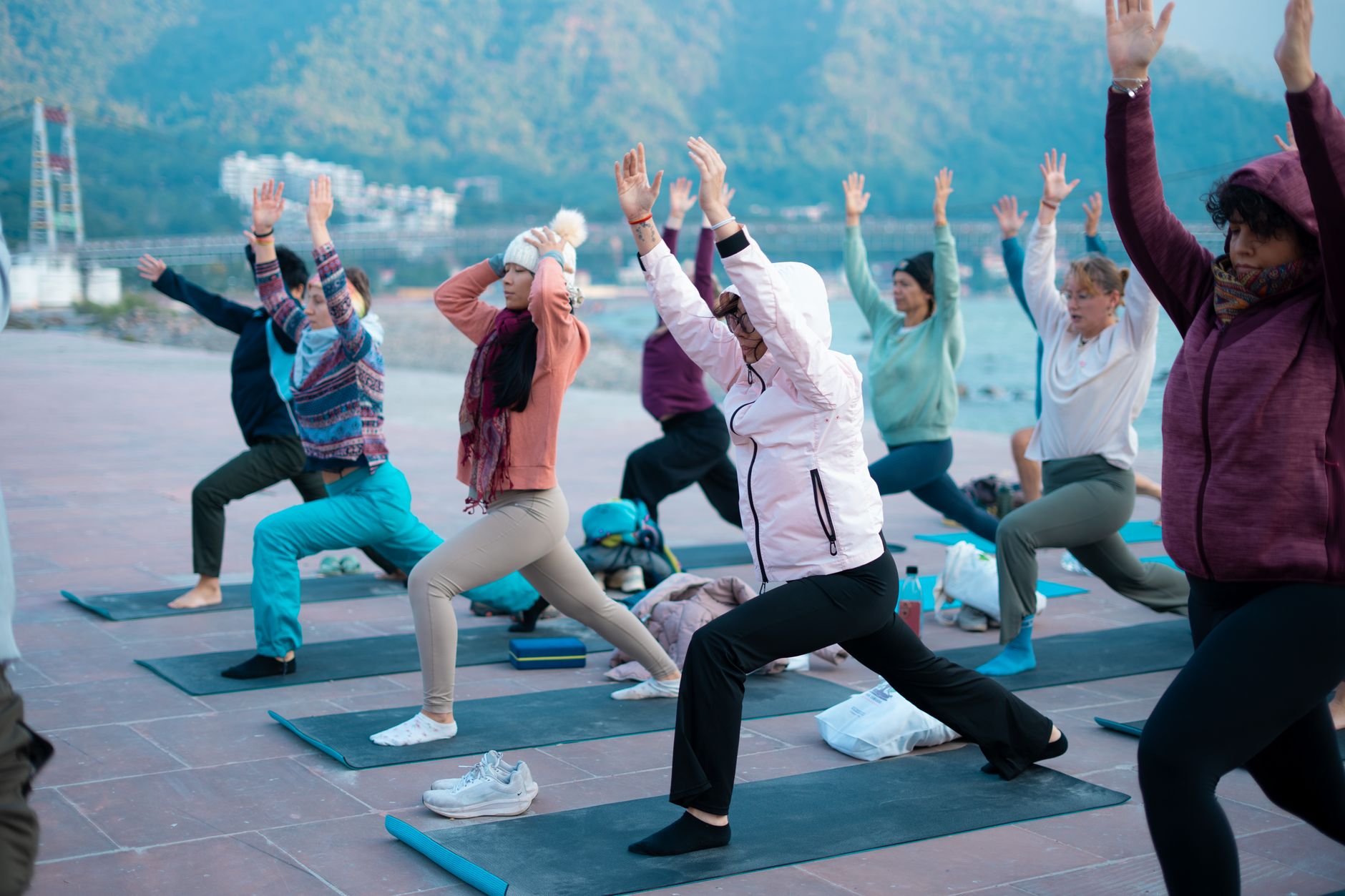
Phu Quoc's yoga landscape splits into three main types: commercial resort studios (attached to hotels or wellness centers in town), independent boutique studios run by long-term expat teachers, and informal mat-in-the-garden sessions hosted by locals or traveling instructors. Resort studios tend toward vinyasa flow and gentle hatha; independent studios often specialize in yin, slow flow, or alignment-focused Iyengar. Home-based teachers offer one-on-one or tiny-group sessions (three to five people) in family kitchens or garden spaces, which tend to be quieter and more personalized. Most classes are heated or unheated depending on the season—May through September the heat is intense, so studios often offer early-morning (6–7 a.m.) and evening (5–6 p.m.) slots. Beginner-focused studios assume zero experience; intermediate and advanced classes expect solid standing poses and breath control. The island has no fixed "yoga district"—studios are scattered across both the developed seafront areas and the quieter inland lanes. Ask which style suits your body: beginner hatha classes focus on alignment and hold poses longer, while vinyasa flows are faster and more cardiovascularly demanding.
How do I choose between a studio class, private session, or group experience?
Studio classes work best if you're comfortable in a room with 10–30 others and prefer a structured schedule. Drop-in rates are standard, though packages for five or ten classes usually offer a discount; confirm the rate includes a mat and water. Private sessions—either one-on-one with an instructor or a semi-private group of up to three friends—cost more per hour but let you focus on injuries, imbalances, or specific goals. Group experiences through wellness centers or retreats might include a yoga session as part of a farm and countryside experiences day, a tea experiences, or a multi-day wellness package combining yoga with other slow practices. Home-based instructors often provide the most personalized attention and tend to charge less than studios because overhead is lower; the trade-off is you may have fewer class times to choose from and no backup instructor if someone is sick. Use this framework: Solo traveler wanting structure and peer energy? Studio class. Couples or small friend group? Private session. Want yoga woven into a broader wellness day? Book a retreat or retreat day with our wellness team. Specific injury or limitation? One-on-one private session.
What should I actually pack and wear to a Phu Quoc yoga class?
Bring a light, quick-dry yoga mat if you own one; most studios have mats available but supply varies in quality and cleanliness. Wear breathable, minimal clothing—cotton leggings and a tank top or sports bra are standard. Phu Quoc's heat and humidity mean synthetic or moisture-wicking fabrics are smarter than heavy cotton. Avoid eating a large meal in the two hours before class; light snacks (a banana, coconut water) one hour prior are fine. Bring a water bottle—studios provide water but you'll want your own. Wear no jewelry or a single simple necklace (nothing that clinks or swings). Shoes come off in the studio, so clean feet matter. If you have a mat or blocks at your accommodation, ask whether you can bring them; many studios welcome personal equipment if you're a regular. Rain is common in afternoon sessions May through October—some studios have covered areas, others move class indoors or reschedule; confirm the plan when you book. For outdoor beachside classes, bring a hat or sunglasses if the instructor allows (most do). Arrive 10–15 minutes early so you can set up without rushing and chat with the instructor about injuries or limitations.
How much do yoga classes cost, and what's the best value?
Single drop-in classes range widely depending on studio prestige and location; coastal studios near resorts tend toward the higher end, while neighborhood studios in quieter zones cost less. Multi-class packages (five to ten sessions) reduce the per-class rate; ask whether the discount is applied if you spread the classes over two to three weeks, since not everyone can commit to frequent attendance while traveling. Private sessions (one instructor, one or two students) cost significantly more but give you personalized cueing and the ability to work on specific issues. Retreat days—combining yoga with lunch, tea, or farm time—are priced per person and typically work out economical if you're already interested in a broader wellness experience. Some studios offer a first-class trial at a reduced rate; take advantage of this to test the vibe and instructor before committing. Studios that bundle yoga with accommodation (wellness resorts or retreat centers) bundle the price into an all-inclusive daily or weekly rate; these are worth exploring if you're staying five nights or longer.
| Class Type | Duration | Group Size | Best For | What to Ask First |
|---|---|---|---|---|
| Studio drop-in (hatha/vinyasa) | 60–75 min | 10–30 people | Building routine, meeting others | Is there a beginner modification? Mat provided? |
| Private one-on-one | 50–90 min | 1 student | Injuries, alignment, deep focus | Can the instructor work with your specific issues? |
| Semi-private (2–3 friends) | 60–90 min | 2–3 people | Small groups, shared focus | Do you offer a discount for couples or friends? |
| Beachside open-air | 60 min | Variable | Relaxation, morning ritual | What happens if it rains? Is the timing fixed? |
| Retreat/wellness day (yoga + other) | 2–4 hours | 4–12 people | Immersive experience | What's included besides yoga (meals, tea, etc.)? |

What happens in your first class, and what should I tell the instructor?
Most studios begin five to ten minutes before the official start time, letting students settle on their mats, breathe, and set an intention. The instructor will likely ask if anyone is new, injured, or has limits—be honest here. Beginner hatha classes start with seated or lying-down breathing (pranayama) for three to five minutes, then move through basic standing poses held for 30 seconds to two minutes each (mountain, triangle, warrior poses). Expect gentle stretches, not advanced inversions. The instructor will walk the room offering verbal cues and sometimes hands-on adjustments; if you prefer no touch, say so at the start. The final 10–15 minutes is restorative—supported poses, longer holds, and savasana (final rest pose lying down) where most students fall asleep. Studios end with "namaste" and a brief silence. Bring up any past injuries, pregnancies, or chronic pain before class starts—instructors here are experienced with beginners and tourists, and will offer modifications on the spot. If you feel dizzy, sharp pain, or overwhelmed during class, stop and rest in child's pose; studios expect this and won't draw attention. After class, instructors often linger to answer questions—use this time to ask about alignment, scheduling, or whether they teach other wellness classes. Many Phu Quoc instructors also offer private consultations or can recommend tea experiences or other wellness practices that pair well with yoga.
What to check before you book a class
- Instructor credentials: Ask whether the instructor trained outside Vietnam and holds a recognized certification (200-hour RYT, etc.); many excellent local teachers have learned through apprenticeship or self-study, so this isn't a dealbreaker, but it signals how they approach cue and safety.
- Class schedule and consistency: Confirm the class time is fixed and the instructor teaches that slot regularly. Last-minute cancellations happen; check whether the studio guarantees a reschedule if they cancel.
- Studio cleanliness: Visit in person or ask to see photos of the space. Mats and floors should be visibly clean; ask whether mats are washed after each class.
- Beginner modifications: A good studio will explicitly ask about your experience and offer pose variations on the spot. If the instructor ignores you or pushes you into advanced poses, that's a yellow flag.
- Language: Most studios in tourist zones offer English instruction, but ask whether the instructor is fluent or will use a translator; this matters for safety cues.
- Outdoor classes in rainy season: If you're booking May–October, ask whether afternoon classes move indoors or reschedule. Early-morning beach sessions are more reliable.
Could I combine yoga with other wellness or cultural experiences?
Absolutely. Many of our guests pair a tea experiences morning with an evening yoga class, or slot yoga into a farm and countryside experiences day—starting with yoga at sunrise, then farm work or herbal tea with a local family. Some wellness retreats include yoga as a core activity alongside cooking, craft, or art. A smaller number of travelers weave yoga with craft workshops—say, a morning yoga class followed by a pottery or painting afternoon—to stay in a slower mindset. We can coordinate yoga with other Cáo Experiences if you're interested; ask us about multi-day wellness itineraries that include more than one practice.

FAQ
Can I book a yoga class as a walk-in, or do studios require advance notice?
Drop-in is fine for most studios—just arrive 10–15 minutes early. Large group sessions (retreat weekends) need booking a day or two ahead. Ask the studio when you first visit.
What if I've never done yoga before and I'm worried I'll be too stiff or out of shape?
Beginner classes are designed for your exact situation. Instructors modify every pose; you won't be singled out. Start with a hatha or gentle class, not vinyasa flow. Many people feel nervous walking in and relaxed walking out.
Are yoga classes in Phu Quoc expensive compared to my home country?
Generally cheaper or comparable, depending where you're from. Single classes cost less than urban studios in North America or Europe; retreat packages are very affordable. Ask about rates before committing.
Do studios provide mats, blocks, and other props, or should I bring my own?
Most studios include a mat and basic props. If you have a personal mat you trust, bring it. Tell the instructor what you have and they'll adjust.
What's the difference between a studio class and a private session, and which should I choose?
Studio classes offer structure, peer energy, and lower cost; private sessions give personalized attention and flexible timing. Choose studio if you like routine and community; private if you have specific injuries or prefer one-on-one focus.
Can I book yoga as part of a wellness retreat or multi-day experience?
Yes. We coordinate wellness experiences that include yoga alongside tea, farm visits, or craft workshops. Reach out on WhatsApp to discuss multi-day options.
What if I'm visiting Phu Quoc only for a few days—can I still take classes?
Yes. Drop-in classes work perfectly for short stays. Most studios have at least one class daily; we can help you find times that fit your schedule.
Is there a best time of day to do yoga in Phu Quoc?
Early morning (6–7 a.m.) is coolest and least crowded. Evening (5–6 p.m.) works if you avoid the midday heat. Afternoon outdoor classes rain May–October.
Ask about dates
Tell us the city, your dates and what you would like to try. We reply on WhatsApp in English with options and availability.
FAQ
Can I book a yoga class as a walk-in, or do studios require advance notice?
Drop-in is fine for most studios—just arrive 10–15 minutes early. Large group sessions (retreat weekends) need booking a day or two ahead. Ask the studio when you first visit.
What if I've never done yoga before and I'm worried I'll be too stiff or out of shape?
Beginner classes are designed for your exact situation. Instructors modify every pose; you won't be singled out. Start with a hatha or gentle class, not vinyasa flow. Many people feel nervous walking in and relaxed walking out.
Are yoga classes in Phu Quoc expensive compared to my home country?
Generally cheaper or comparable, depending where you're from. Single classes cost less than urban studios in North America or Europe; retreat packages are very affordable. Ask about rates before committing.
Do studios provide mats, blocks, and other props, or should I bring my own?
Most studios include a mat and basic props. If you have a personal mat you trust, bring it. Tell the instructor what you have and they'll adjust.
What's the difference between a studio class and a private session, and which should I choose?
Studio classes offer structure, peer energy, and lower cost; private sessions give personalized attention and flexible timing. Choose studio if you like routine and community; private if you have specific injuries or prefer one-on-one focus.
Can I book yoga as part of a wellness retreat or multi-day experience?
Yes. We coordinate [wellness](/wellness) experiences that include yoga alongside tea, farm visits, or craft workshops. Reach out on WhatsApp to discuss multi-day options.
What if I'm visiting Phu Quoc only for a few days—can I still take classes?
Yes. Drop-in classes work perfectly for short stays. Most studios have at least one class daily; we can help you find times that fit your schedule.
Is there a best time of day to do yoga in Phu Quoc?
Early morning (6–7 a.m.) is coolest and least crowded. Evening (5–6 p.m.) works if you avoid the midday heat. Afternoon outdoor classes rain May–October.
More like this
Wellness and slow experiences
Yoga Class in Vietnam: Choose Your Style & Studio Type
Yoga in Vietnam ranges from quiet temple-based morning classes to dynamic studio sessions in Hanoi, Saigon, and beachside towns. We'll walk you through how to choose.
Wellness and slow experiences
Yoga Class in Saigon: Finding Your Right Fit
Saigon has grown a sprawling yoga scene—from high-paced vinyasa studios to slow restorative spaces. We break down what each setup offers, who it suits, and what to check before your first class.
Wellness and slow experiences
Yoga class in Ninh Binh: options, what to expect, how to choose
Ninh Binh offers yoga in calm countryside settings, from daily drop-in classes to immersive wellness retreats. We guide you through what's available, what each suits, and how to pick the right one for your level and time.